
Category: Building Biology
-

A Guide to Non-Toxic Paints for New Homes
When constructing or renovating your home, the choice of materials greatly affects indoor air quality and health. Traditional paints and finishes often contain harmful compounds, impacting respiratory health. Low-VOC and non-toxic options improve indoor air quality, offer health benefits, and reduce environmental impact. Recommended options include lime paint, Livos, and…
-
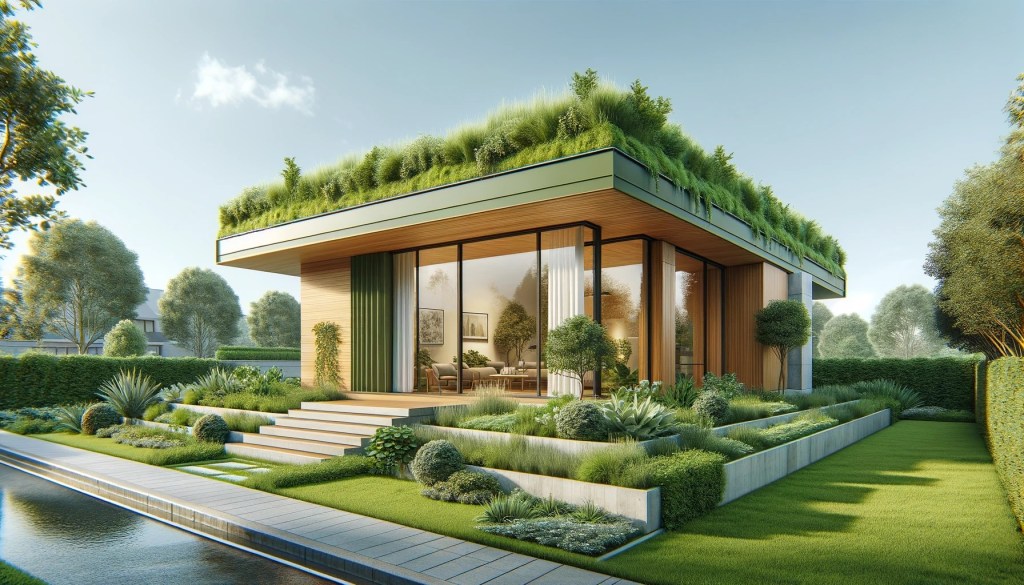
The Green Roof Revolution: Evaluating the Impact on Your Home and Health
Green roofs provide environmental and aesthetic benefits, but come with challenges. Insulation issues, structural load, waterproofing, vapor permeability, and psychological impact must be considered. Proper design and maintenance are crucial. Homeowners in Victoria, Australia should carefully weigh the disadvantages against the benefits and consult professionals before opting for green roofs.
-
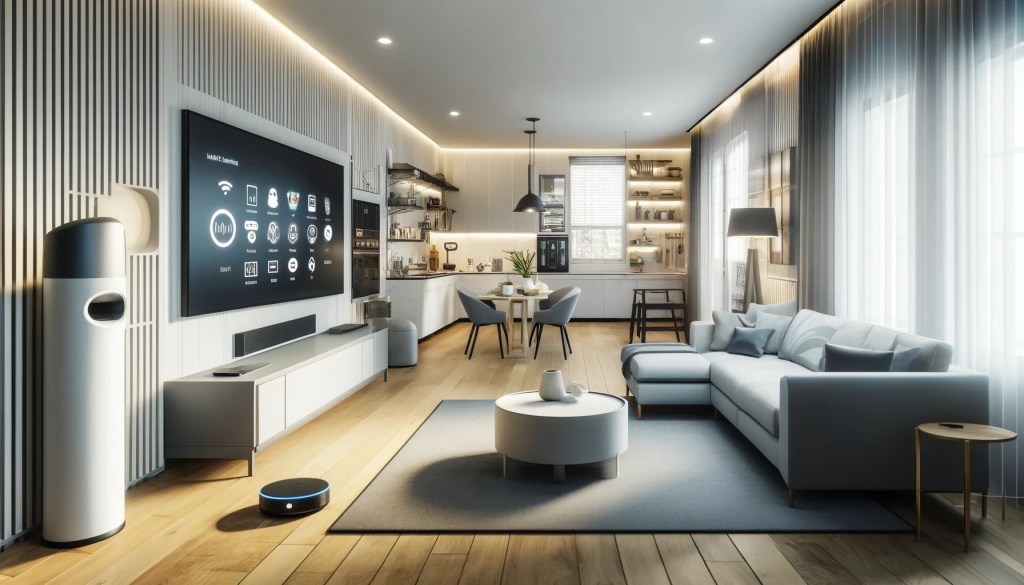
Smart Homes for Health: Technology That Enhances Wellbeing
Smart home technology goes beyond convenience, playing a vital role in promoting health and wellbeing. Air quality monitoring, smart lighting, and temperature control systems contribute to a healthier living space. Integrating these technologies requires careful planning, user education, and regular maintenance. However, their reliance on Wi-Fi may pose implications such…
-

Electromagnetic Fields (EMFs) and Your Home: Minimising Exposure Through Design
This blog discusses the importance of minimising electromagnetic field (EMF) exposure in home design. It highlights common EMF sources and offers advice for strategic home layout, material choices, wiring, and best practices. By understanding EMF sources and implementing thoughtful design, homeowners can create safer living environments with reduced EMF levels.
-

Sustainable Landscaping
This blog post explores the importance of sustainable and non-toxic outdoor spaces for well-being. It emphasises the use of native plants, organic gardening, eco-friendly materials, water conservation, and design elements to promote relaxation and attract wildlife. Sustainable landscaping is presented as essential for health and environmental stewardship, particularly in Victoria,…
-
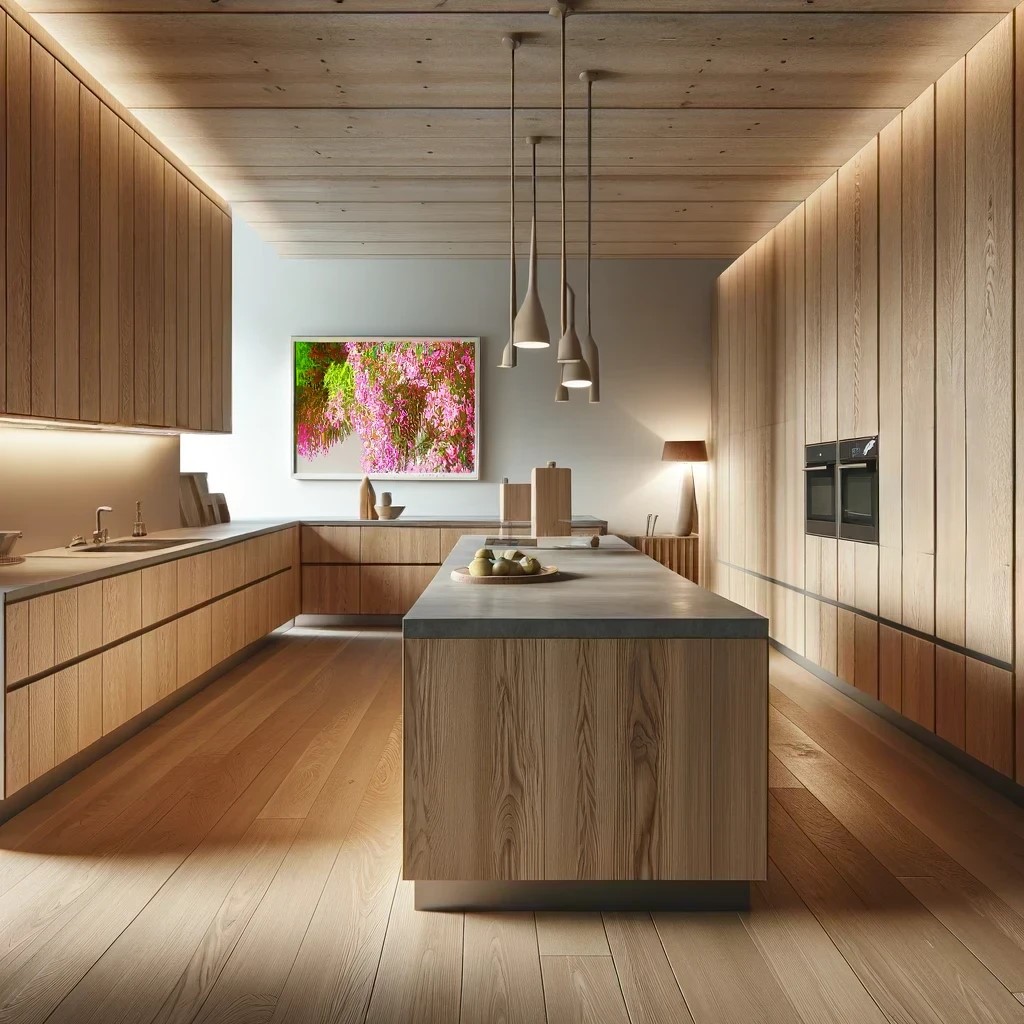
The Heart of the Home: Designing a Health-Conscious Kitchen
This blog emphasises the kitchen’s role in promoting health and sustainability in contemporary architecture. It guides homeowners on material selection, efficient layout, appliance choices, and health and safety features. By prioritising non-toxic materials, efficient designs, and safe appliances, homeowners can create a kitchen that supports well-being and sustainability. For more…
-
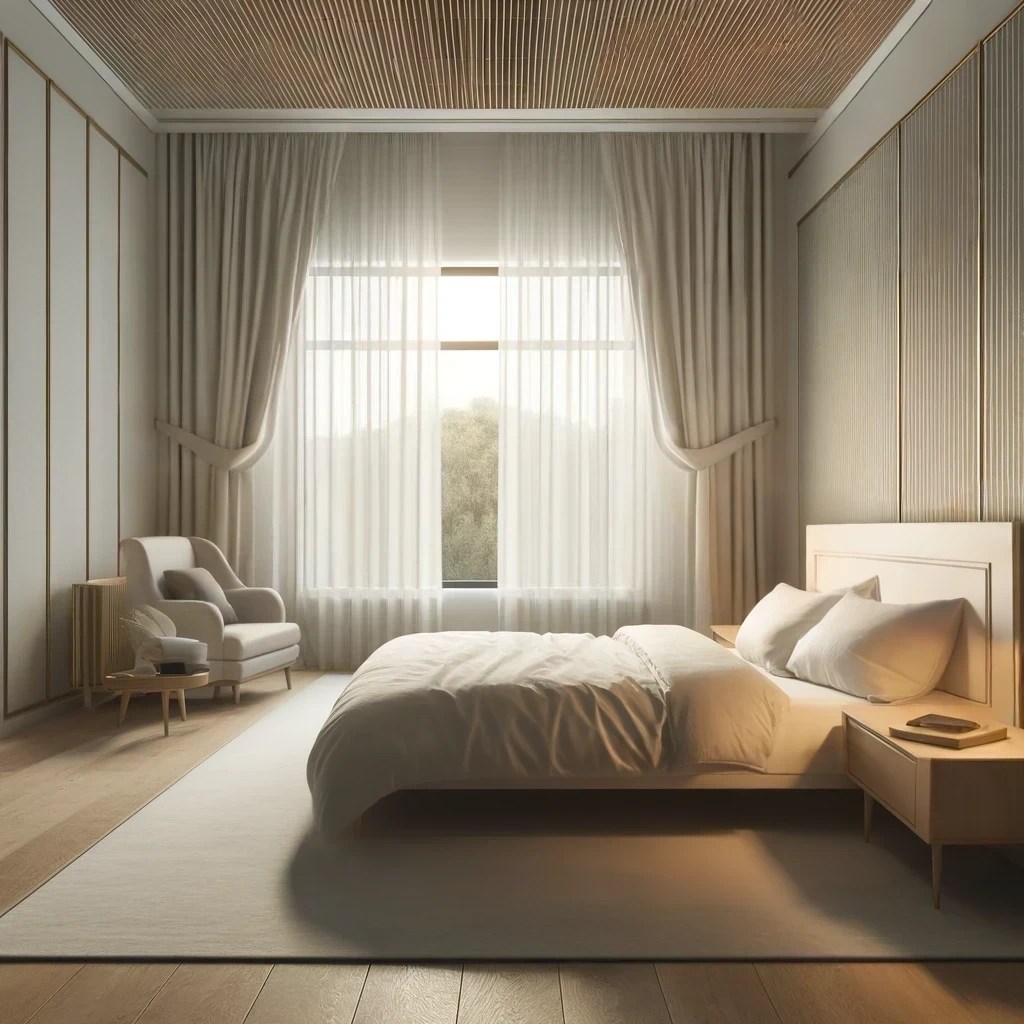
Creating Serene Spaces: Soundproofing and Acoustics in Home Design
This blog post explores the importance of soundproofing in building biology, emphasising its impact on human health. It discusses the choice of materials, soundproofing techniques, and the benefits of incorporating soundproofing and acoustic enhancements in home design for overall wellbeing. It advocates for the use of non-toxic materials.
-
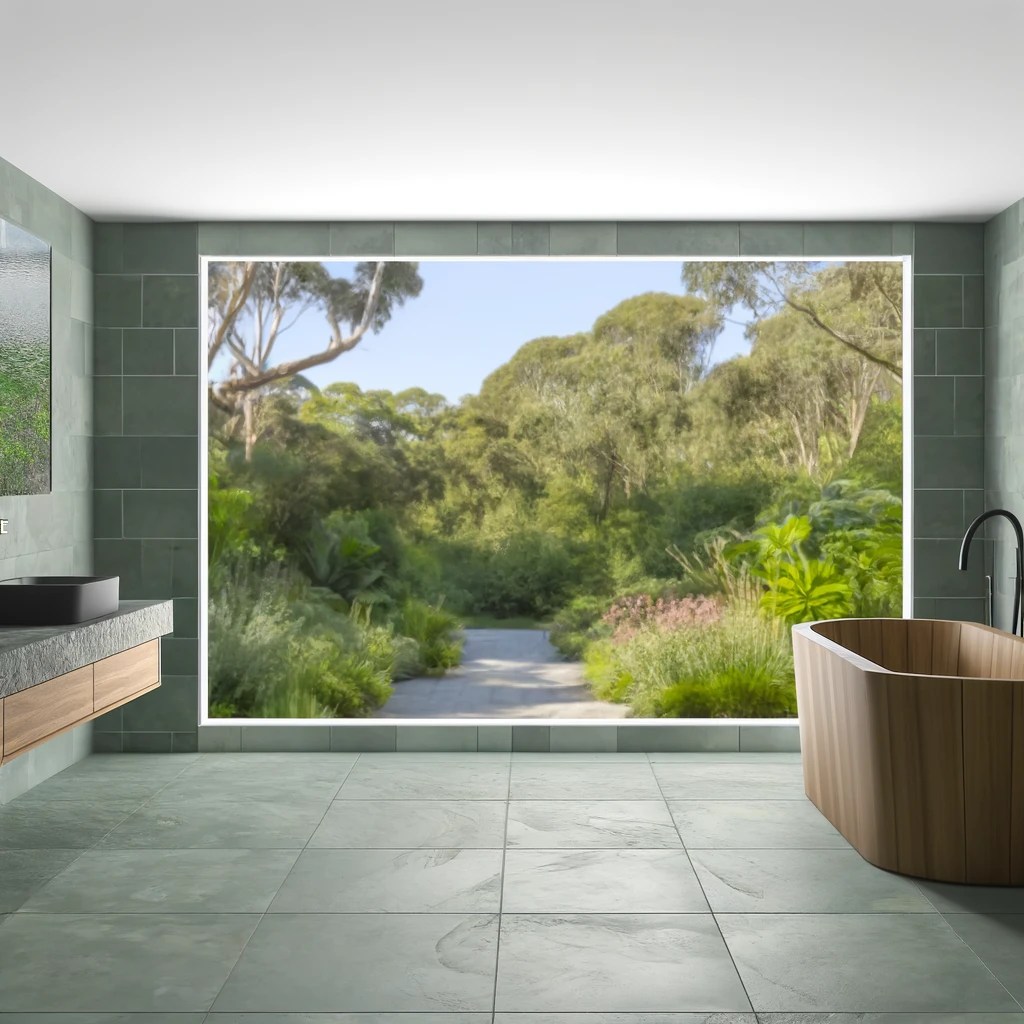
Water Quality and Your Home: Filtration Systems and Plumbing Solutions for Health-Conscious Owners
This post emphasises the importance of ensuring high-quality water in homes, discussing the impact on health and the options available in Victoria. It covers the significance of effective water filtration and non-toxic plumbing, highlighting top filtration systems and safe plumbing materials. Ultimately, it promotes building biology principles for a healthier…
-
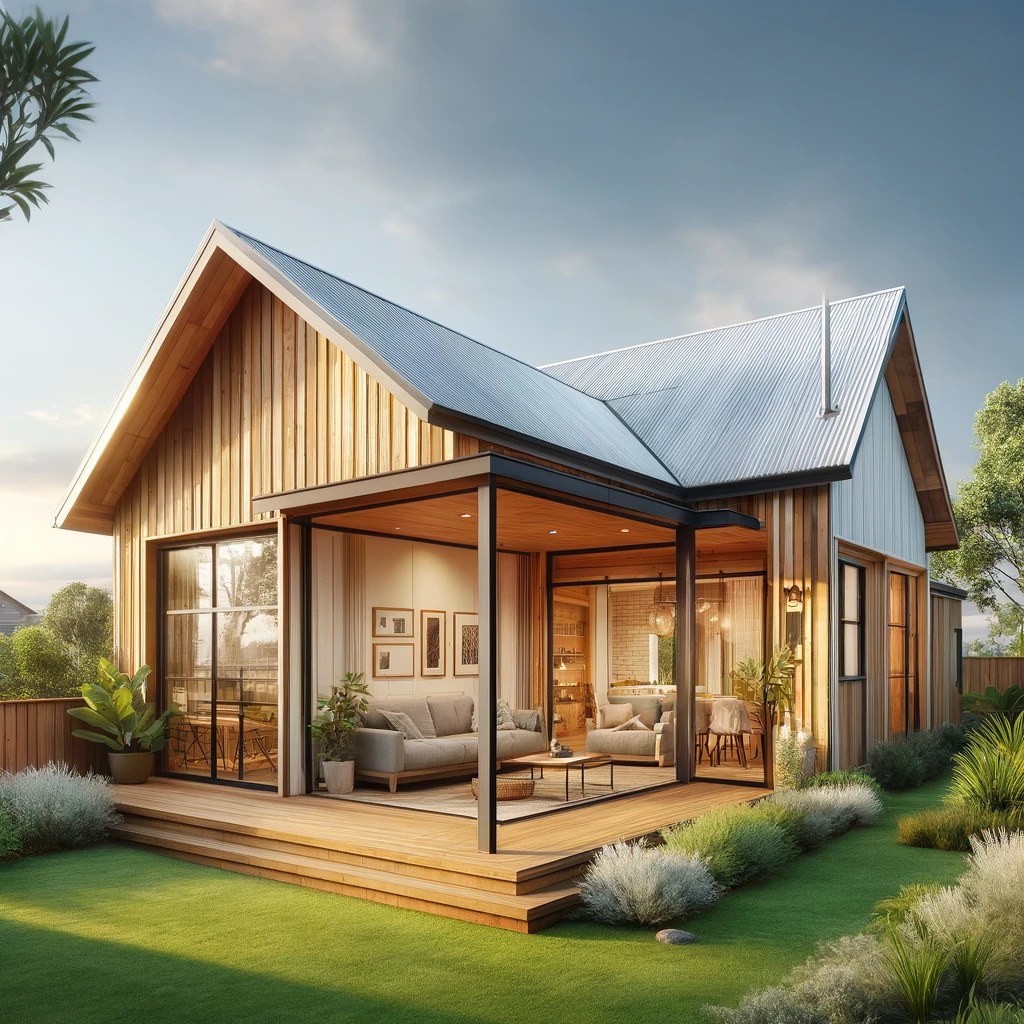
Eco-Friendly Insulation Options for a Warmer, Healthier Home
Sustainable insulation materials are vital for a healthy home and environment. Sheep’s wool, hemp, recycled cotton, cellulose, and polyester all offer unique benefits and considerations. When choosing insulation, consider R-values, moisture management, certifications, pest resistance, and durability. Selecting the right eco-friendly insulation supports thermal comfort and environmental sustainability.
-
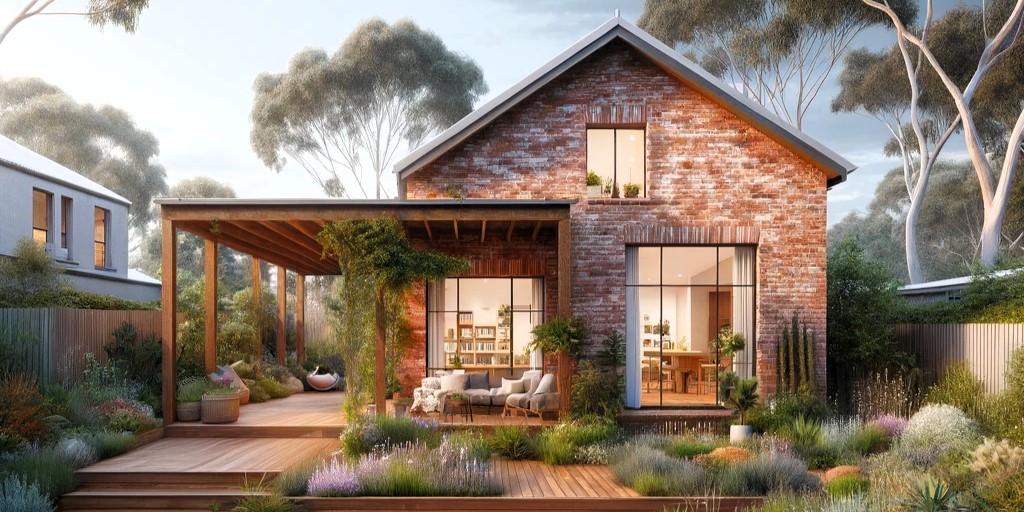
The Importance of Natural Light: Designing Homes with Your Circadian Rhythm in Mind
Architectural design can significantly impact homeowners’ health by maximising natural light to align with circadian rhythms. Leverage building biology principles to strategically place windows and skylights, promoting improved mood, energy levels, and overall health. Integrating natural light not only enhances well-being but also supports sustainable, eco-friendly home environments. Contact Architecture…
 Architecture with Angie