
Category: Building Biology
-
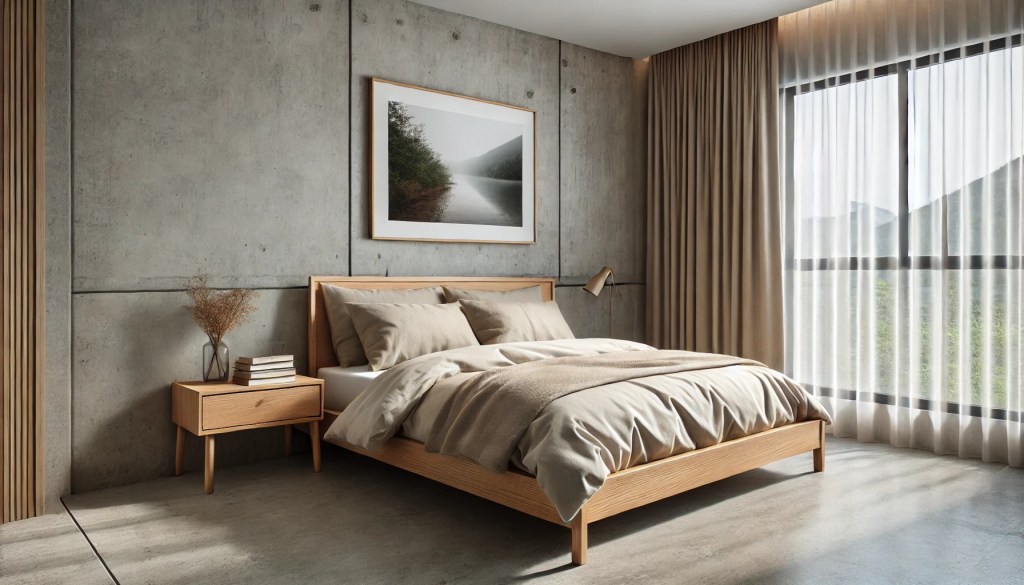
The Architect’s Guide to Healthy Bedrooms: Sleep Optimisation through Design
Quality sleep is vital for mental and physical health. Architects and designers can enhance sleep quality by considering factors such as lighting, colour schemes, air quality, and furniture placement. Tips include maximising natural light, choosing calming colours, ensuring good air quality, maintaining a comfortable temperature, and minimising noise and clutter.
-
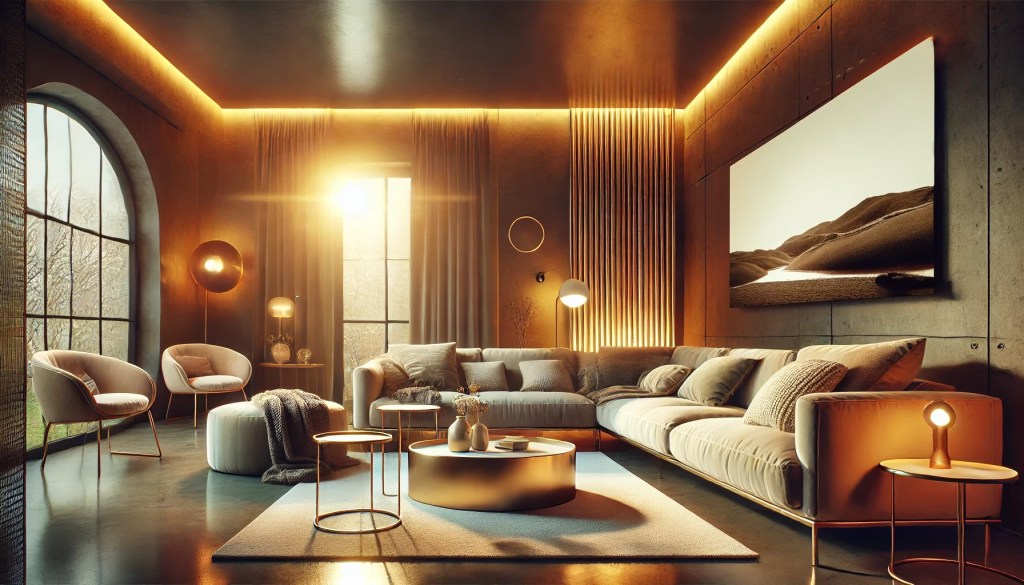
Geothermal Heating and Cooling: Sustainable Comfort for Your Home
Geothermal heating and cooling systems utilise the Earth’s stable temperatures to provide eco-friendly climate control year-round. They offer energy efficiency, environmental sustainability, cost savings, longevity, and consistent comfort. Professional installation and maintenance are essential for optimal performance. When integrated with hydronic systems, geothermal heat pumps enhance home heating and cooling…
-
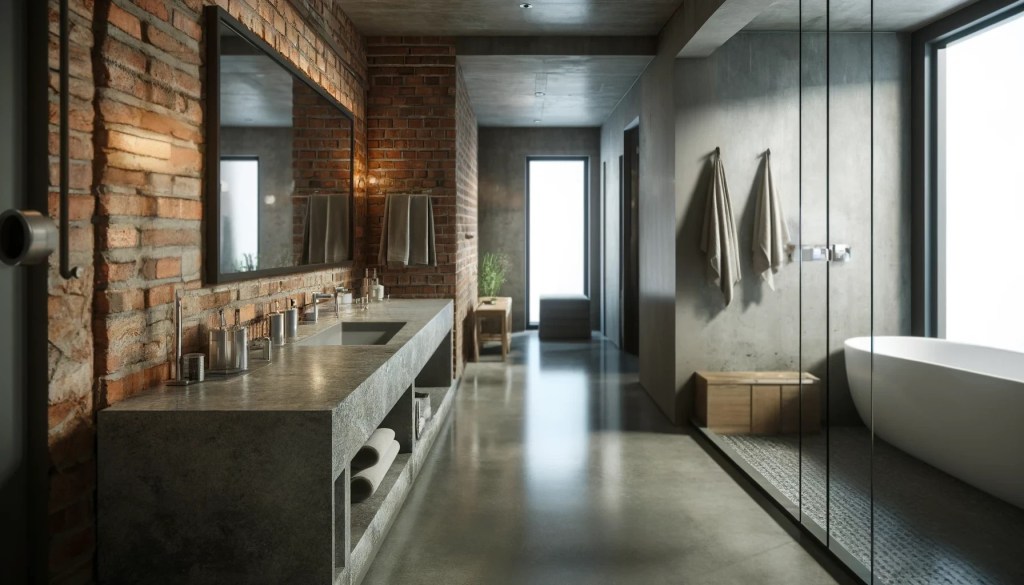
Understanding Radon Risks: Strategies for Mitigation in New Home Construction
Radon, a radioactive gas, poses serious health risks when present at high levels in homes. It can seep in through building materials and the soil. Implementing mitigation strategies during new home construction, such as site evaluation, radon-resistant construction, proper ventilation, and post-construction testing, can reduce exposure. This enhances indoor air…
-
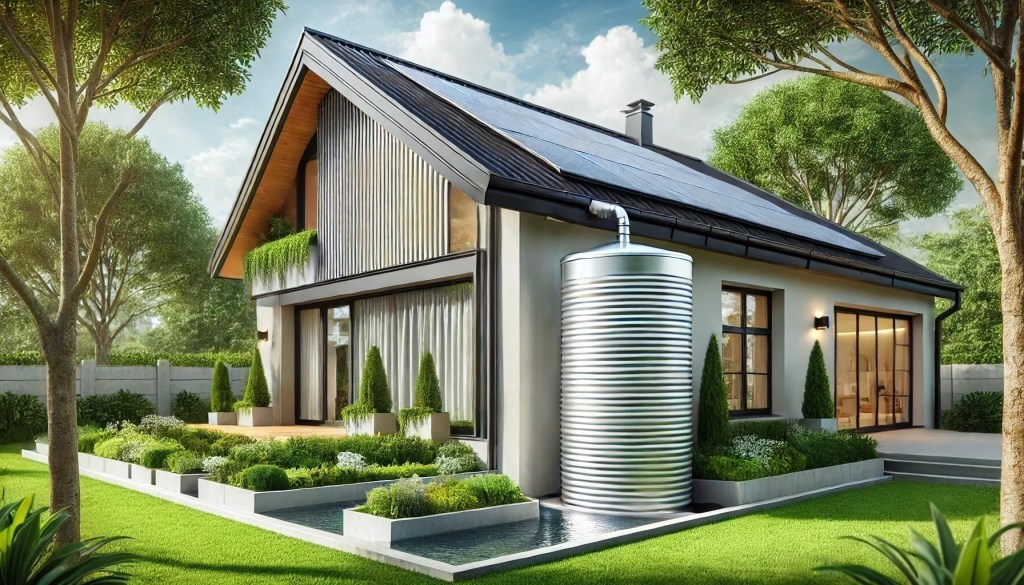
Rainwater Harvesting Systems: Combining Sustainability with Building Biology
Water scarcity is a global concern, emphasising the need for sustainable water management. Rainwater harvesting offers benefits such as reduced water bills, improved plant health, and environmental impact. Integrating systems into home design involves roof, storage tanks, filtration, and maintenance considerations, prioritising health and material selection. This practice aligns with…
-
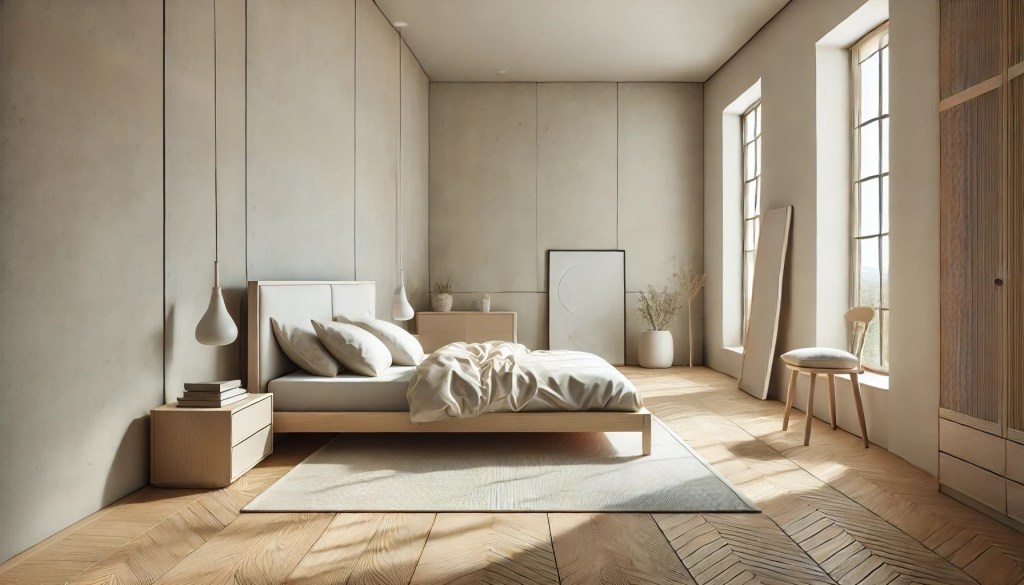
Allergen-Free Living: Designing a Home That Helps Combat Allergies
Designing an allergen-free home is crucial for allergy sufferers. Choosing hard flooring, low-VOC materials, high-quality air filtration, hypoallergenic fabrics, washable window treatments, low-pollen plants, and maintaining cleanliness and humidity levels can significantly reduce allergens. These strategies, along with professional design solutions, create a healthier living space and improve overall well-being.
-
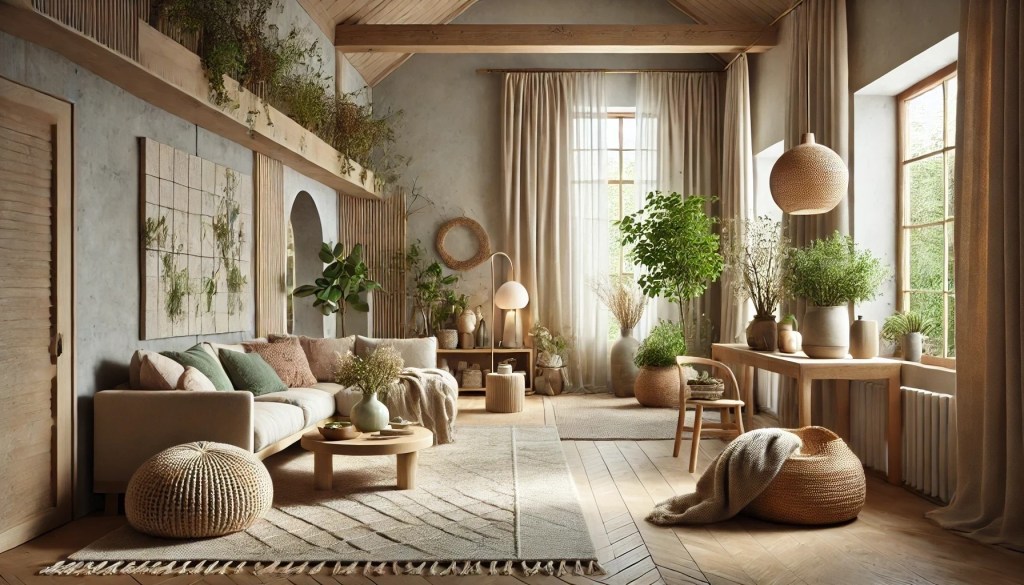
Building for the Senses: A Holistic Approach to Texture, Colour, and Light
A nurturing home goes beyond functionality, considering texture, color, and light for well-being and harmony. Natural materials like wood and stone enhance tactile experiences. Earthy tones and natural light create a serene atmosphere. Thoughtful design elements and biophilic principles lead to a comforting environment that supports well-being and daily living.
-
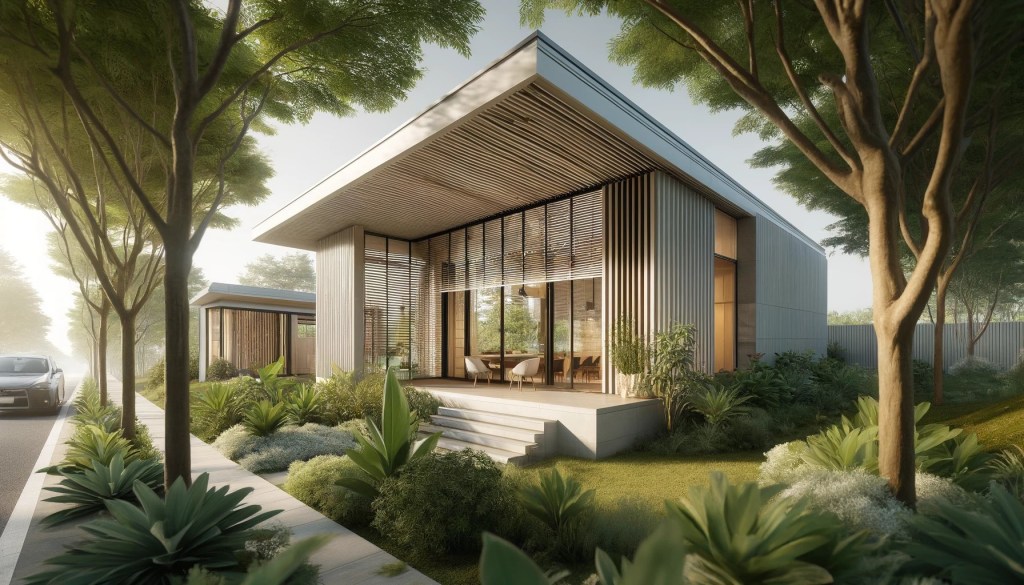
Cooling Your Home Naturally: Passive Cooling Techniques in Architecture
As the climate continues to warm and energy costs rise, finding effective ways to keep homes cool without relying heavily on air conditioning is becoming increasingly important. Passive cooling techniques in architecture offer sustainable, cost-effective solutions that enhance comfort and reduce energy consumption. What’s more, they often double their benefits…
-
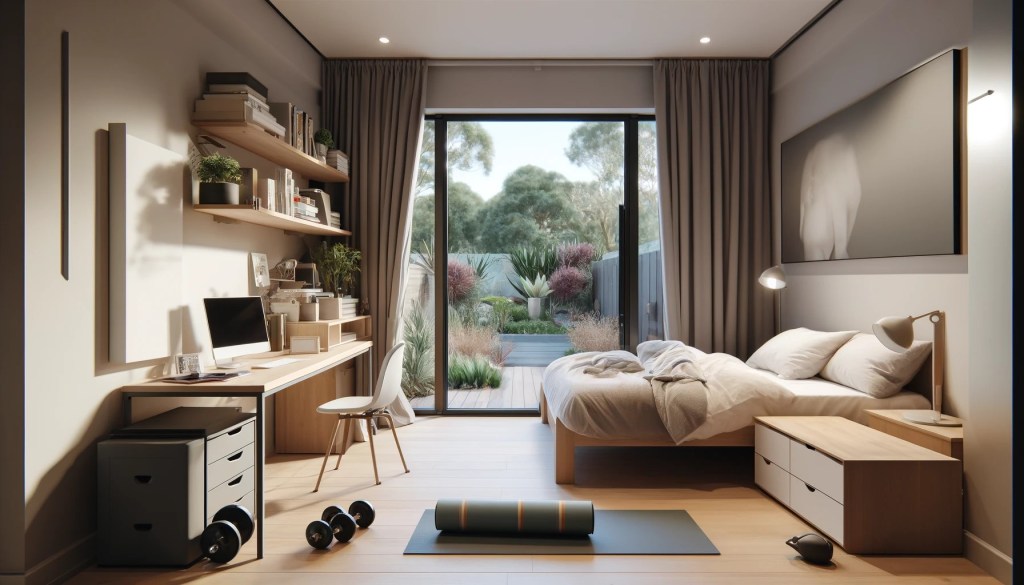
Designing for the Future: How to Build a Flexible Home That Grows with You
Discover how to design a flexible home that adapts to your evolving needs. From open floor plans to multi-functional rooms and smart home technology, our latest blog post explores strategies for creating living spaces that grow with you and support your changing lifestyle.
-
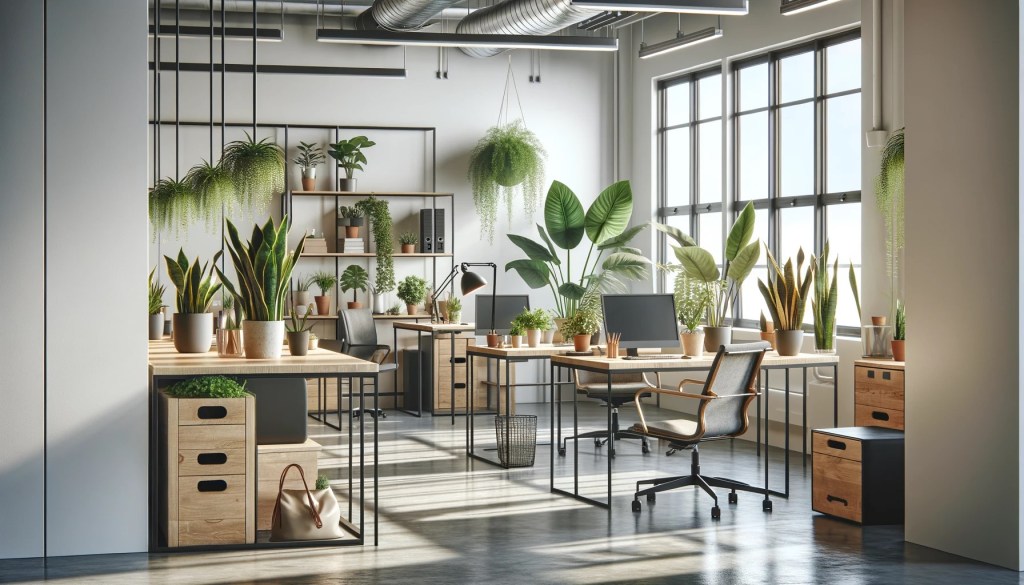
The Role of Indoor Plants in Building Biology: Improving Air Quality and Mood
Discover the transformative power of indoor plants in our latest blog post. Learn how integrating greenery into your home design can improve air quality, boost mental well-being, and create a healthier living environment. From air-purifying benefits to stress reduction, find out how plants can enhance your space and your life.
-
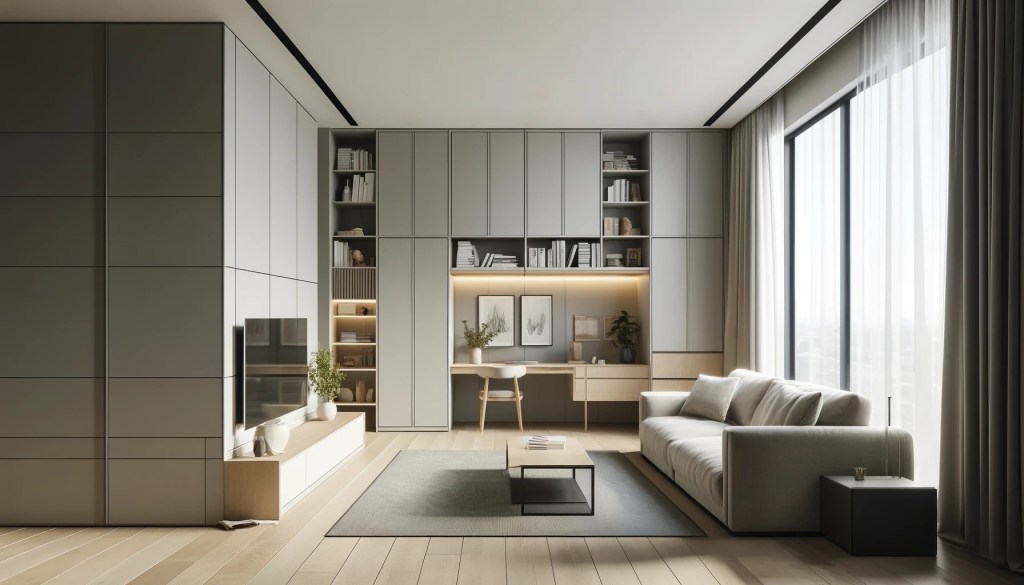
Maximising Small Spaces: Design Tips for Compact and Healthy Urban Living
Discover innovative design tips for maximising small spaces in urban living environments. Our latest blog post explores how to incorporate space-saving solutions like built-in desks and full-height cupboards, while also prioritising health and sustainability through smart materials and energy-efficient choices. Create a compact yet comfortable home that supports your well-being.
 Architecture with Angie