
Category: Building Biology
-
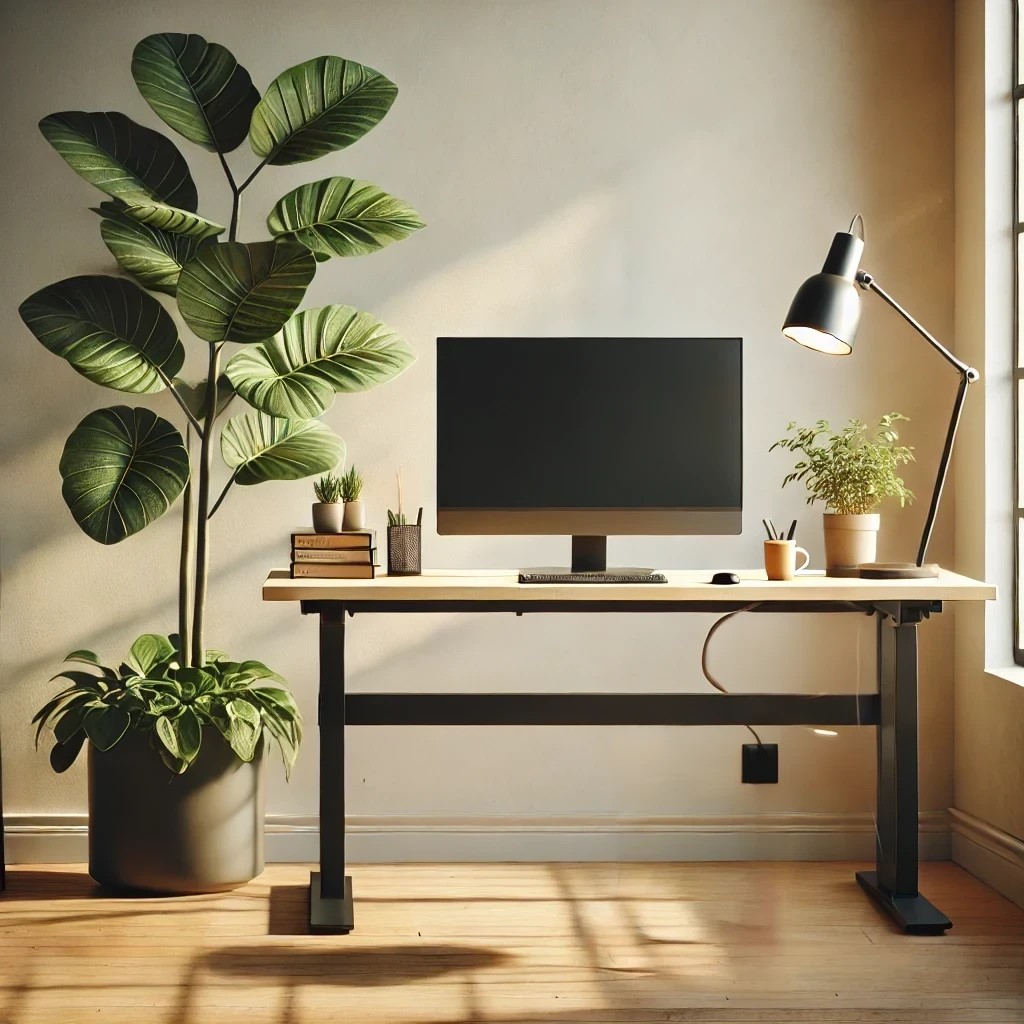
Ergonomic Home Design: Creating Comfortable and Productive Living Spaces
As more people spend time at home, the importance of ergonomic home design becomes evident. Applying ergonomic principles to your home layout and furniture selection can enhance comfort, productivity and overall health. Key strategies include adjustable furniture, proper workspace setup, clutter-free layout, proper lighting, movement encouragement, adaptive design, and healthy…
-

The Anatomy of a Green Kitchen: Energy-Efficient Appliances and Sustainable Materials
Designing a green kitchen involves balancing functionality with eco-friendliness, reducing energy consumption, and prioritising sustainability. This is achieved through energy-efficient appliances, sustainable materials for cabinets and countertops, non-toxic paints and finishes, sustainable flooring options, efficient water use and plumbing, and waste management and composting, resulting in a functional and stylish…
-
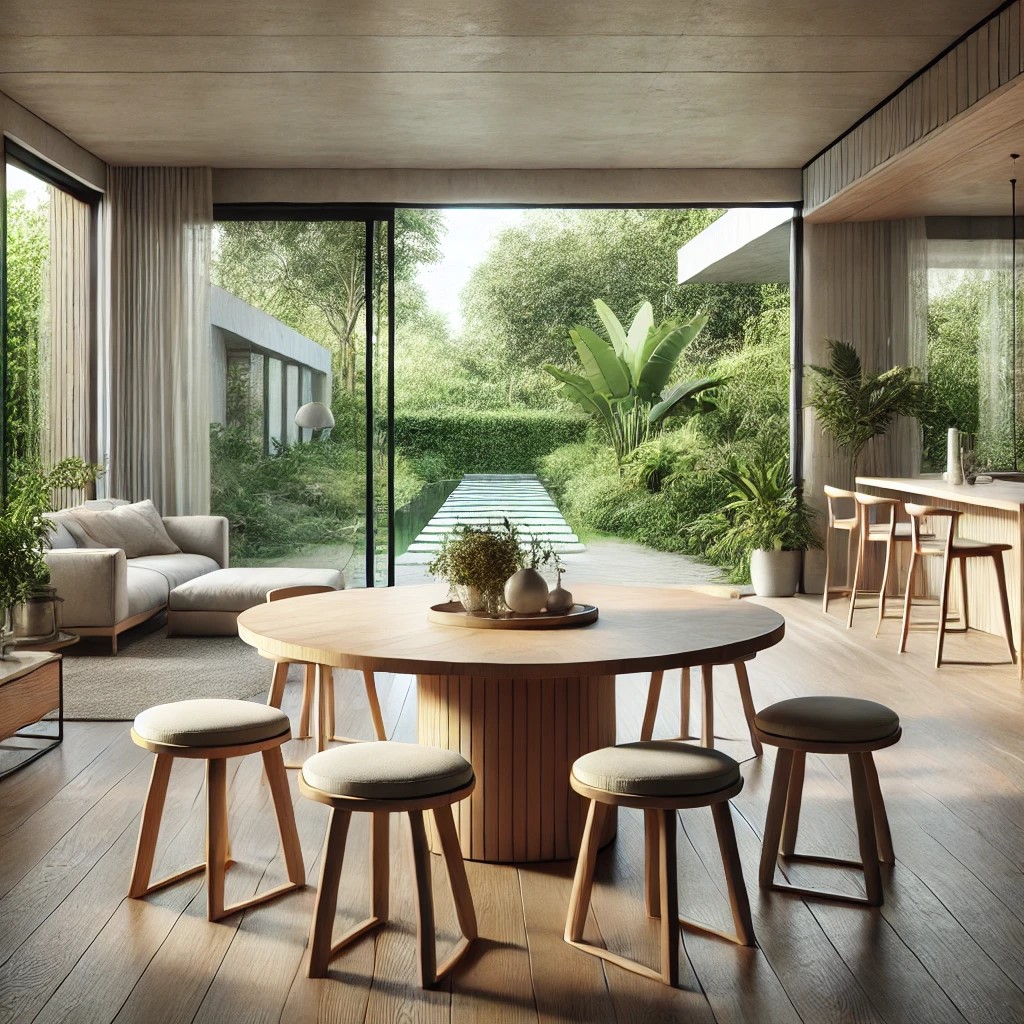
Zero-VOC Strategies: Achieving Superior Indoor Air Quality in Your Home
Indoor air quality directly impacts health and well-being, with volatile organic compounds (VOCs) being a major contributor. VOCs, emitted by common household materials, can result in headaches and respiratory issues. Utilising zero-VOC strategies, such as choosing low-VOC paints and natural flooring materials, can significantly improve indoor air quality. Proper ventilation…
-
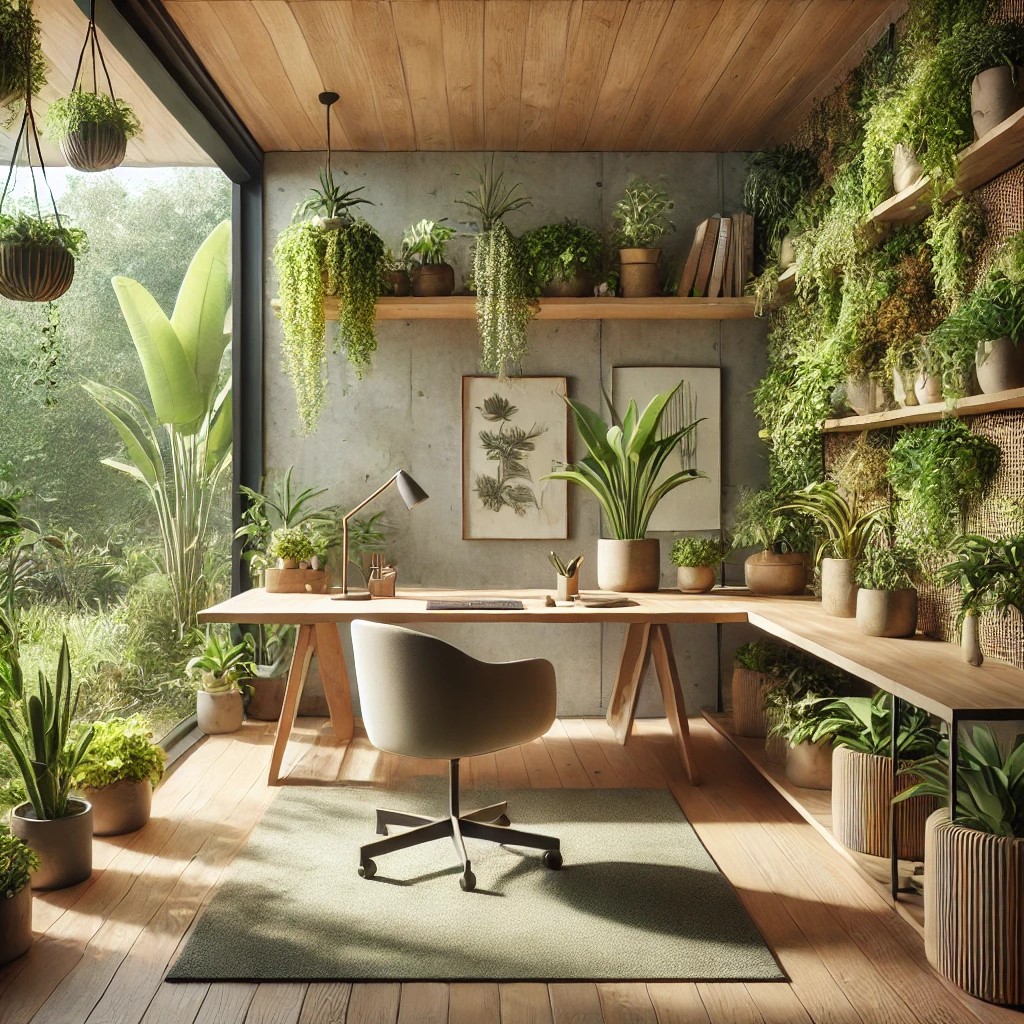
Integrating Biophilic Design: Connecting Your Home with Nature
Biophilic design emphasises the human connection to nature by integrating natural elements into built environments. This approach enhances well-being and reduces stress, promoting a healthier lifestyle. Key strategies include maximising natural light, incorporating greenery, using natural materials, creating water features, designing for views of nature, embracing natural shapes and patterns,…
-

Navigating Building Codes and Regulations for Your Health-Focused Home
Designing a health-focused home involves understanding and meeting building codes and regulations. These codes cover areas such as indoor air quality, ventilation, materials, lighting, and water quality. Research local codes early, consult professionals, obtain permits, stay informed about updates, and plan for inspections to ensure your home meets legal and…
-
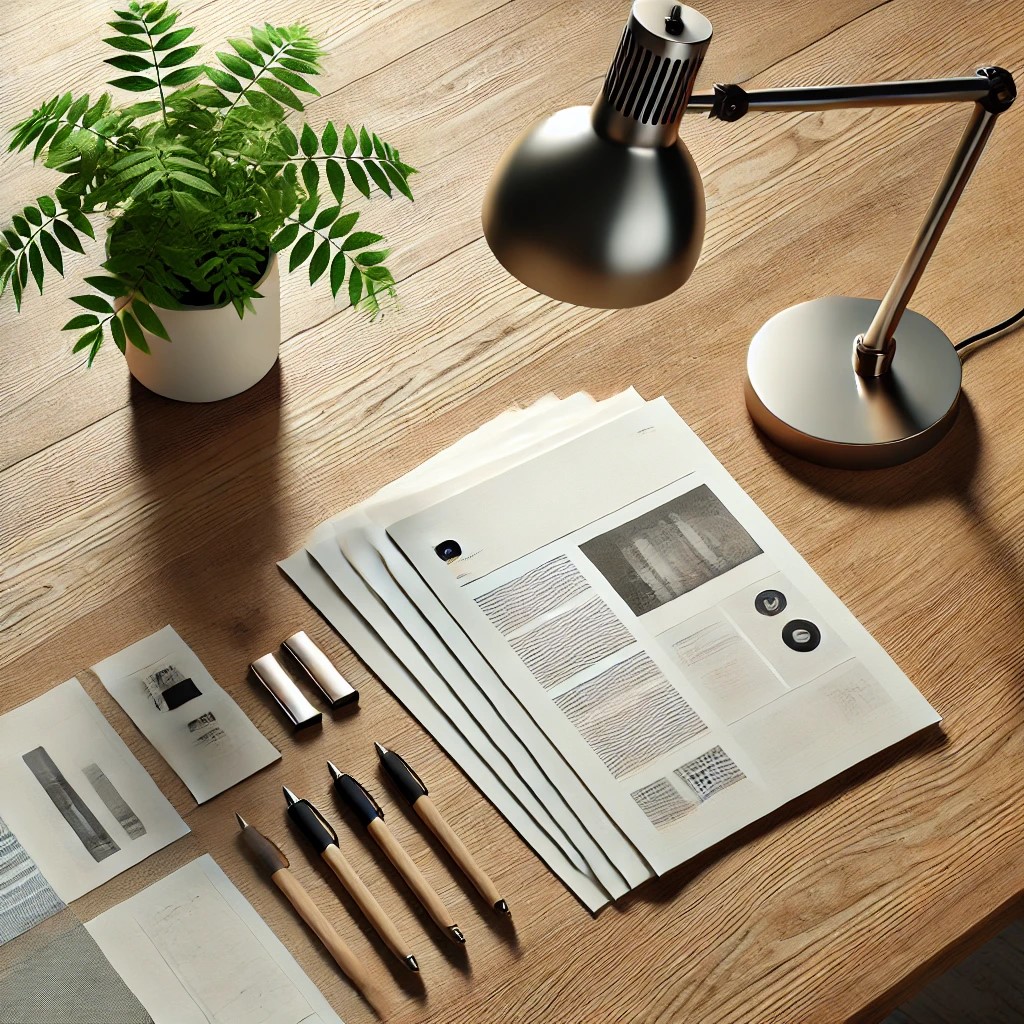
From Dream to Reality: The Process of Designing Your Health-Focused Home
Designing a home that prioritises health and well-being is more than just selecting eco-friendly materials and incorporating natural light. It’s about creating a space that supports physical, mental, and emotional wellness through thoughtful, health-centric decisions. From the initial consultation to the final design, this is an outline of the steps…
-
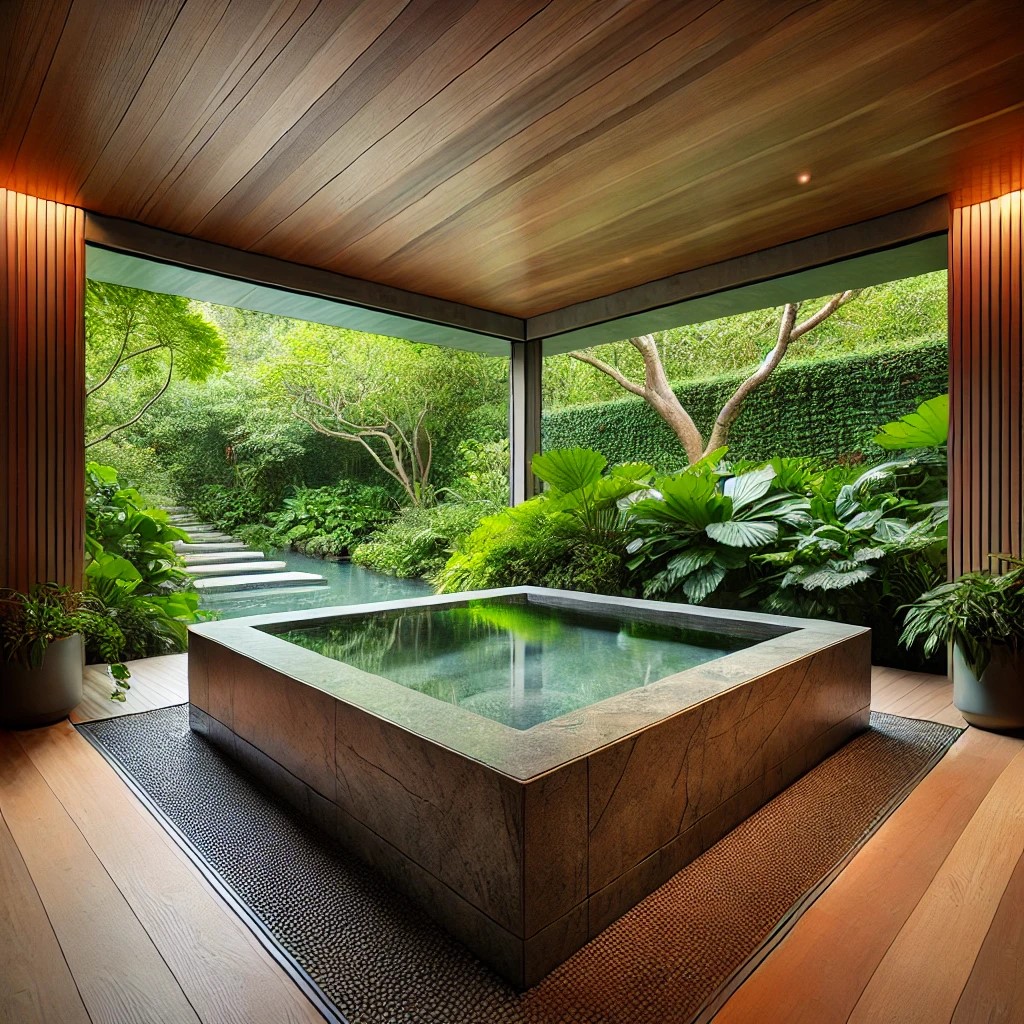
Daylighting Techniques: Brightening Your Home Naturally
Architectural design can benefit greatly from natural light, enhancing energy efficiency and creating a welcoming ambiance. Daylighting strategies maximise the use of natural light, positively impacting well-being and aesthetics. However, balancing these benefits with energy efficiency is crucial, particularly in the design of windows, skylights, and lighting. Incorporating these strategies…
-

The Psychology of Space: How Home Layout Affects Your Wellbeing
Discover how the design of your living space can enhance mental health and well-being. Our latest blog explores the psychology of space, offering tips on optimising home layouts with natural light, functional zones, and greenery to create a comfortable, happy environment. Transform your home for better living today!
-
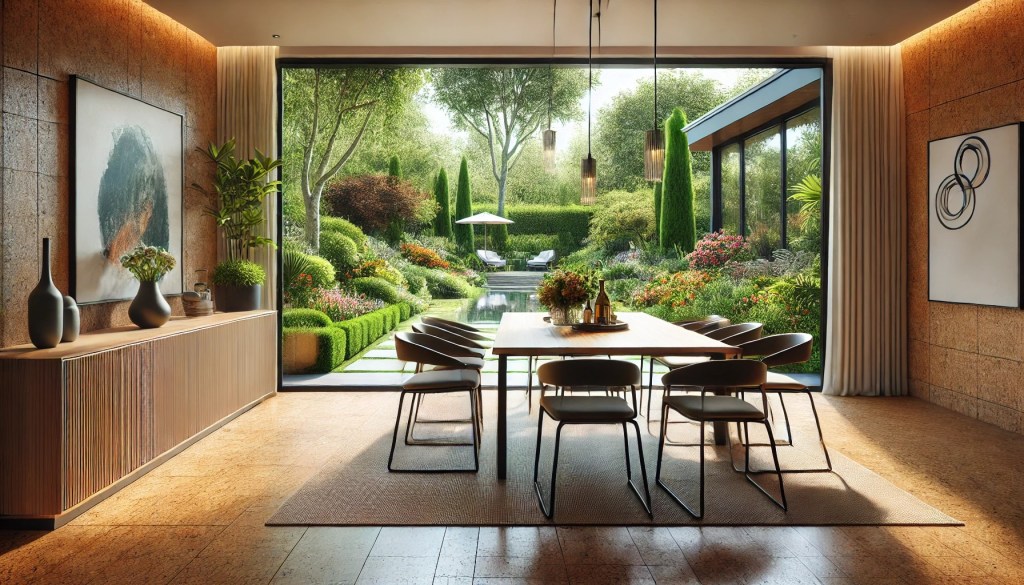
Sustainable Flooring Options: From Bamboo to Cork
Incorporating sustainable materials in home design is crucial for a healthier environment. This blog reviews eco-friendly flooring options such as bamboo, cork, reclaimed wood, linoleum, wool carpet, and terrazzo, highlighting their benefits. Selecting these materials reduces environmental impact and enhances living space well-being.
-
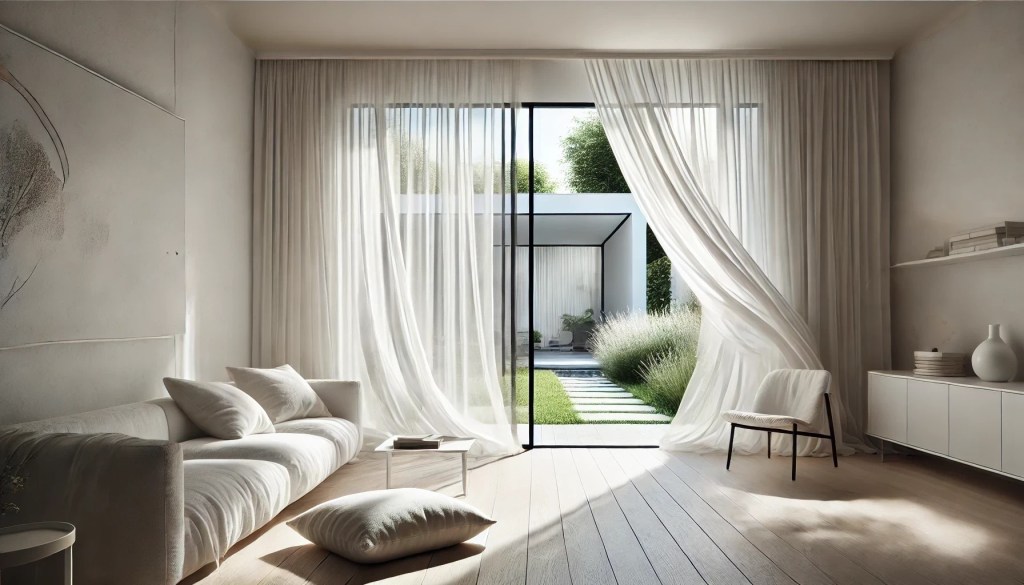
Chemical Sensitivities: Creating a Safe Home for Sensitive Individuals
Individuals with chemical sensitivities experience adverse reactions to common materials and products, requiring a home designed to minimise exposure to harmful chemicals. By selecting low-VOC, non-toxic materials and improving air and water quality, a safe living space that supports health and well-being can be created.
 Architecture with Angie