
Designing a home that lets you “age in place” ensures that your living space remains functional. It is adaptable to stay safe and comfortable as you grow older or if your mobility changes. A well-thought-out home design can accommodate all ages and abilities. This reduces the need for future renovations or relocation. It makes your home a lifelong sanctuary. In Australia, the National Construction Code (NCC) 2022 Volume 2 offers a framework for creating accessible homes. The introduction of the Livable Housing Design Standards provides guidelines for safe and health-focused homes. This blog explores the key principles of designing a forever home with health and accessibility in mind.
Why Design a Home for Aging in Place?
As we age, physical abilities change. Everyday activities like moving between rooms, using the bathroom, or climbing stairs can become challenging. A home designed with aging in place in mind not only accommodates these potential changes but also supports independent living. Designing a home for all stages of life means making it safe. It must also be accessible and comfortable for everyone. This includes whether you’re young, elderly, injured, or living with a disability. A home does not need grab rails and ceiling hoists from the outset. They can be added later if they are required. Yet, key service areas should be designed to support modifications down the track to aid mobility as needed.
Key Elements of Designing a Forever Home
1. Accessibility and Mobility
A home designed for aging in place should prioritise ease of movement and accessibility, ensuring that spaces are barrier-free and functional for people with limited mobility.
Step-Free Entryways:
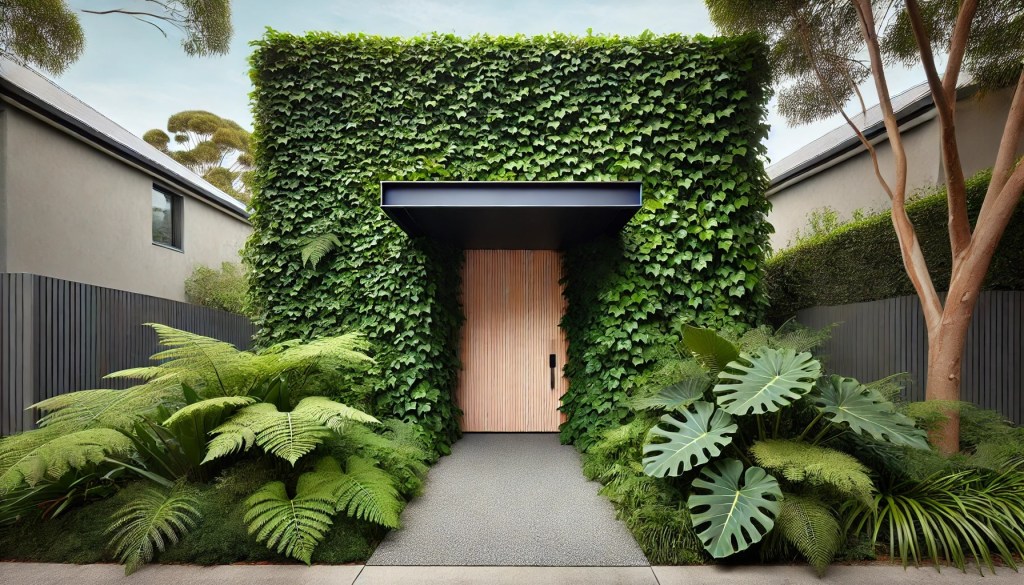
One of the fundamental aspects of livable design is a step-free entrance. The NCC 2022 and Livable Housing Design Standards emphasise the need for at least one entry into the home to be step-free and sheltered, making it easy for people with mobility aids, like wheelchairs or walkers, to enter and exit safely.
Wide Hallways and Doorways:
Make sure that hallways and doorways are wide enough to accommodate mobility aids. The Livable Housing Standards recommend a minimum clear opening width of 820mm for doorways, allowing for smooth wheelchair access and making the home more functional for people of all abilities, however, wider clear openings are better if possible.
Single-Level Living:
A single-level home design eliminates the need for stairs which can become challenging to navigate with impaired mobility. If a multi-level home is necessary, consider including a bedroom and full bathroom on the ground floor or installing a stairlift for easier access.
2. Safe and Accessible Bathrooms
Bathrooms are one of the most critical areas to focus on when designing for aging in place, as they can be hazardous due to slippery surfaces and confined spaces.
Walk-In Showers:
A walk-in shower with a low or zero threshold reduces the risk of tripping and makes it easier for people with mobility issues to enter and exit the shower. Install a non-slip floor surface for added safety.
Grab Rails:
The majority of homes do not need grabrails, yet, over time users may find grab rails can support day-to-day occupation. Strategically placed bracing or extra studs in walls in the shower, next to the toilet, and around the bath and basin can be installed later if they are eventually required. Likewise, structural provisions for hand rails near steps should be made. These give extra stability and help prevent rails from falling off the wall. If the time comes when grab rails are required, choose models that are both functional and aesthetically pleasing, blending seamlessly into the bathroom design with finishes to match the tapware.
Lever-Style Fixtures:
Replace traditional twist tap handles with lever-style fixtures, which are easier to use for people with arthritis or limited hand strength. These fixtures are not only functional but can also add a modern touch to your bathroom.
Height-Appropriate Toilets:
Install a toilet at a comfortable height (typically 450-480mm from the floor) to make sitting down and standing up easier for those with mobility challenges. Raised toilet seats are also a choice for added comfort and safety. The NCC 2022 Livable Housing Design Standards calls for a 1200 x 900mm clear circulation space in front of a toilet and the Livable Housing Design Guidelines suggest more. This is to allow adequate space for mobility aids around the toilet.
3. Functional Kitchen and Laundry Design
The kitchen and laundry should be designed with safety, efficiency and accessibility in mind so they can be used comfortably at any stage of life.
Adjustable or Lowered Benchtops:
Consider incorporating adjustable or lowered benchtops to accommodate wheelchair users or individuals who may have difficulty reaching standard-height surfaces. Designing the kitchen with accessible workstations ensures that cooking and food preparation are comfortable for everyone. Note that lower benches and sinks can be uncomfortable for taller users with impaired back mobility if they need to bend over.
Pull-Out Shelves and Drawers:
Install pull-out shelves and drawers in cabinets and pantries to reduce the need for bending or reaching. These ergonomic features make it easier to access items stored in the back of cabinets, minimising strain.
Appliance Placement:
Position appliances like ovens, microwaves and dishwashers at accessible heights to avoid the need to bend down or reach too high. Wall ovens, drawer-style dishwashers, and side-opening fridges are great options for accessible kitchen design.
Easy-to-Use Fixtures:
Opt for appliances and fixtures with easy-to-use control, such as touch or push-button systems and consider smart kitchen technology for added convenience and safety.
4. Adequate Lighting and Visibility
Good lighting is essential for safety, especially as vision tends to decline with age. A well-lit home reduces the risk of accidents and creates a welcoming, comfortable atmosphere.
Ambient and Task Lighting:
Incorporate a mix of ambient and task lighting throughout the home. For example, under-cabinet lighting in the kitchen, motion-sensor lights in hallways and bright, adjustable reading lamps in living areas ensure that every task has appropriate lighting.
Motion-Activated Lights:
Install motion-activated lights in commonly used areas like bathrooms, hallways and entryways. These automatic lights improve safety by illuminating spaces as soon as someone enters, eliminating the need to fumble for a switch.
Contrasting Colours and Clear Visibility:
Use contrasting colours for walls, floors and fixtures to improve visibility and depth perception. This is particularly useful in areas like staircases where clearer visibility can help prevent falls. Consider dementia-friendly designs that minimise busy patterns.
5. Smart Home Technology for Accessibility
Though not required, integrating smart home technology can greatly enhance the safety, convenience and accessibility of a home for aging in place.
Voice-Activated Assistants:
Voice-activated systems like Amazon Alexa, Google Assistant or Apple HomeKit can control lighting, thermostats, appliances and even doors. These systems reduce the need for manual controls and make it easier for people with limited mobility to manage their homes.
Smart Security Systems:
Install smart security systems that offer remote access, monitoring, doorbell cameras, and automatic locks to improve home safety. These systems allow homeowners or caregivers to monitor the property and receive alerts if anything unusual happens.
Automated Lighting, Blinds and Temperature Control:
Automated lighting, curtains/blinds and temperature control systems can be programmed to adjust throughout the day, maintaining comfort without manual intervention. These systems also offer energy-saving benefits. Installing power to window and door heads for future upgrades can allow automated blinds and door openers to be added later.
Conclusion
Designing a home for aging in place ensures that your living space remains functional, safe and comfortable throughout all stages of life. By incorporating accessible features, smart technology and design principles that align with the NCC 2022 and Livable Housing Design Standards you can create a forever home that supports your health and well-being.
For personalised advice and expert guidance on designing your forever home with health and accessibility in mind, contact Architecture with Angie. Our experience in accessible architecture and wellness-focused design ensures that your home will be both beautiful and practical for years to come.
Design a home for life—reach out to us today!
References
Australian Building Codes Board 2022, Livable Housing Design Standard, accessed 20 September 2024
Livable Housing Australia 2017, Livable Housing Design Guidelines, accessed 20 September 2024
 Architecture with Angie