
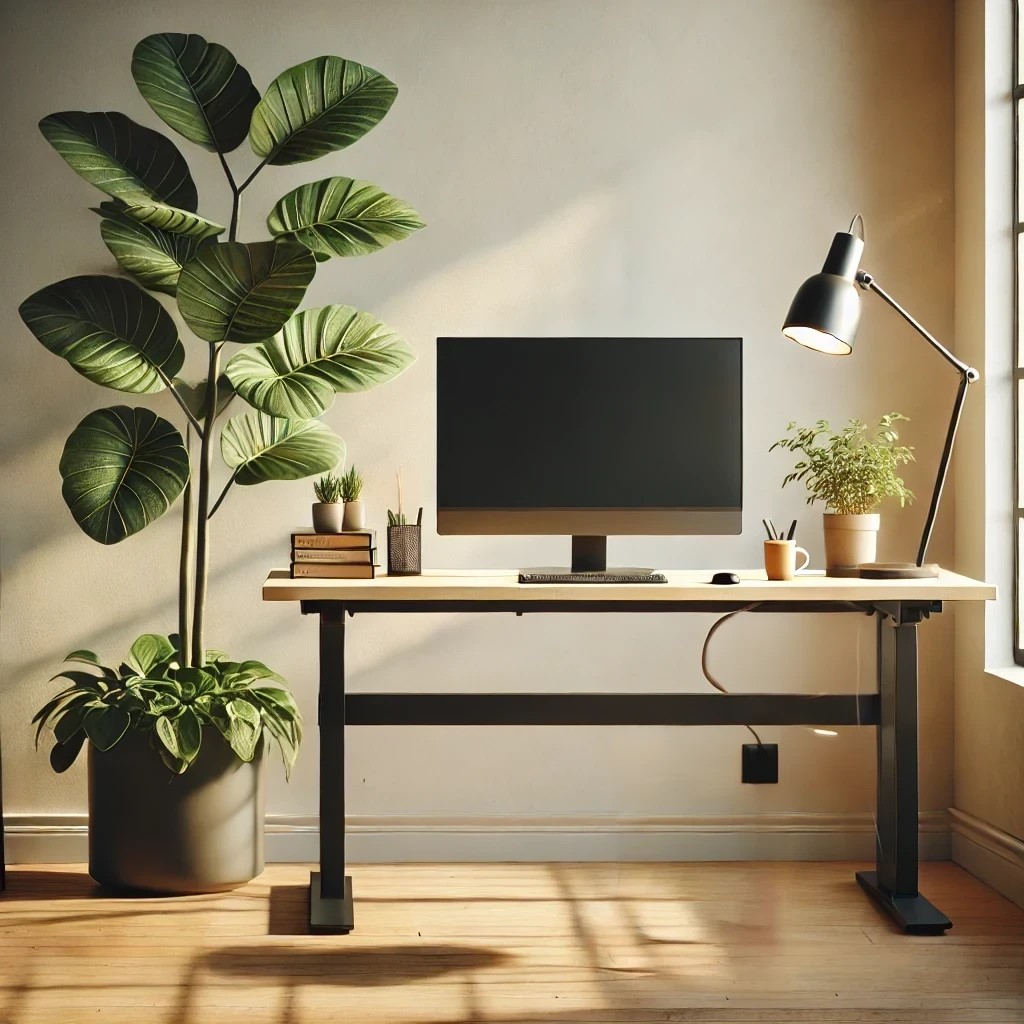
As more people spend time at home for both work and leisure, the importance of ergonomic home design has never been more evident. Ergonomics, the science of designing spaces and objects to optimise human well-being and performance, can enhance comfort, productivity, and overall health. By applying ergonomic principles to your home layout and furniture selection, you can create living spaces that promote ease of movement, reduce physical strain, and improve mental focus. This blog explores key ergonomic strategies for designing a comfortable and productive home.
Why Ergonomic Design Matters
Poorly designed spaces and furniture can lead to discomfort, fatigue, and even long-term health problems such as back pain, neck strain, and repetitive stress injuries. By integrating ergonomic principles into your home, you can improve your physical well-being and create a more efficient and enjoyable environment.
Key Principles of Ergonomic Home Design
1. Adjustable and Supportive Furniture
Selecting the right furniture is a fundamental aspect of ergonomic home design. Properly designed furniture should adapt to your body and support healthy posture, especially in spaces where you spend extended periods, such as home offices and living rooms.
Ergonomic Office Chair:
If you work from home, an ergonomic office chair is essential. Look for a chair with adjustable height, seat tilt, seat depth, back rest height, lumbar support, and backrest angle. The backrest should support the natural curve of your spine, preventing slouching and reducing the risk of back pain.
Standing Desks:
Consider incorporating a height-adjustable standing desk to alternate between sitting and standing throughout the day. This helps prevent fatigue and promotes better posture, circulation, and overall well-being.
Ergonomic Sofas and Chairs:
Choose sofas and chairs with adequate lumbar support and seat depth to encourage good posture. Avoid overly soft furniture that causes you to sink too far in, as it can lead to poor posture and discomfort over time such as recliners.
2. Proper Desk and Workspace Setup
In any home office or workspace the arrangement of your desk, computer, and accessories plays a crucial role in maintaining comfort and productivity.
Desk Height and Position:
Ensure your desk is at the correct height so that your arms rest comfortably on the surface with your elbows bent at a 90-degree angle. Your feet should be flat on the floor or on a footrest.
Monitor Placement:
Place your computer monitor with the top at eye level, approximately an arm’s length away. This prevents neck strain and ensures that you’re not constantly looking up or down. You can use a monitor stand to adjust the height if necessary.
Keyboard and Mouse Placement:
Position your keyboard and mouse close to each other at a height where your wrists are straight and your forearms are parallel to the floor. This reduces strain on your wrists and forearms, helping prevent repetitive stress injuries.
3. Organised and Clutter-Free Layout
An ergonomic home design promotes a clutter-free environment that facilitates ease of movement and minimises distractions. Organised spaces reduce mental strain and help you focus more effectively on daily tasks.
Clear Pathways:
Design your living spaces with clear, unobstructed pathways to allow for easy movement between rooms and areas. Avoid placing furniture in high-traffic areas to prevent the need for awkward or repetitive movements.
Storage Solutions:
Use smart storage solutions, such as built-in shelves, wall-mounted organisers, and under-furniture storage to keep surfaces clear and items easily accessible. A clutter-free environment not only looks tidy but also reduces physical strain when searching for frequently used items. Avoid storing items too high or in awkward corners to mitigate the need to reach.
Work Zones:
In multifunctional spaces, such as open-plan living areas, designate separate work, relaxation, and dining zones. This helps maintain focus when working and allows for clear boundaries between work and leisure.
4. Lighting for Comfort and Productivity
Proper lighting is a key element in ergonomic home design. Lighting that is too harsh or too dim can cause eye strain and fatigue while well-designed lighting can enhance focus and comfort.
Natural Light:
Maximise the use of natural light by placing workspaces near windows. Natural light supports your circadian rhythm, reduces eye strain and promotes overall well-being. Use adjustable window coverings to prevent glare.
Task Lighting:
Use task lighting, such as adjustable desk lamps, to provide focused illumination for activities like reading, writing, or cooking. Avoid direct overhead lighting, which can create glare and discomfort.
Ambient Lighting:
In addition to task lighting, incorporate ambient lighting with soft, indirect light sources to create a comfortable atmosphere. Dimmer switches allow you to adjust lighting levels based on the time of day and activity.
5. Promote Movement and Flexibility
One of the core tenets of ergonomic design is to encourage movement throughout the day. A static, sedentary lifestyle can lead to discomfort and long-term health issues so your home design should promote flexibility and physical activity.
Alternate Seating Options:
Provide a variety of seating options in different areas of your home. Consider using floor cushions, gym balls or ergonomic stools to encourage movement and prevent prolonged sitting.
Standing Zones:
In addition to a standing desk, create standing zones in other areas, such as the kitchen or a crafting area, where you can comfortably stand while performing tasks. Anti-fatigue mats can provide additional support for standing activities.
6. Customisable and Adaptive Design
Ergonomic home design should be flexible enough to adapt to the needs of every household member. Customisable furniture and layouts ensure that everyone can find comfort and support, regardless of their height, size or preferred working style.
Adjustable Furniture:
Invest in adjustable furniture, such as chairs, desks, and beds, that can be easily modified to suit individual preferences. This is especially important in shared spaces where multiple people use the same furniture.
Modular Layouts:
Use modular furniture that can be rearranged to fit different activities or preferences. Modular seating, desks or storage units can easily be reconfigured for different uses, promoting a dynamic and adaptable living space.
7. Healthy Air Quality and Ventilation
Air quality and ventilation play a vital role in creating a comfortable and healthy home environment. Poor air circulation can lead to headaches, fatigue, and respiratory issues, while good ventilation helps keep indoor air fresh and clean.
Natural Ventilation:
Ensure that your home has good airflow by opening windows regularly to let fresh air circulate. Position furniture to allow natural air movement throughout the room.
Air Purifiers:
Consider using an air purifier to remove allergens, dust and other pollutants from the air. This is especially important if you live in an area with poor air quality or if you have allergies.
Houseplants:
Incorporate air-purifying plants like snake plants, peace lilies, or spider plants into your home to naturally improve indoor air quality while adding a touch of greenery to your space.
Heating and air conditioning
Work with your house to maintain a comfortable indoor temperature naturally. In extreme weather use mechanical heating or cooling if necessary and if you are in the market for a new system consider reverse cycle electric heating/cooling for efficiency.
Conclusion
Ergonomic home design is about more than just aesthetics—it’s about creating spaces that prioritise comfort, health, and productivity. By incorporating adjustable furniture, optimising workspace layouts and using proper lighting and ventilation you can design a home that supports your well-being and enhances your daily life.
For personalised advice and expert guidance in designing ergonomic living spaces, contact Architecture with Angie. Our experience in wellness-focused architecture and interior design ensures that your home will be both beautiful and comfortable.
Create an ergonomic home that works for you—reach out to us today!
 Architecture with Angie