
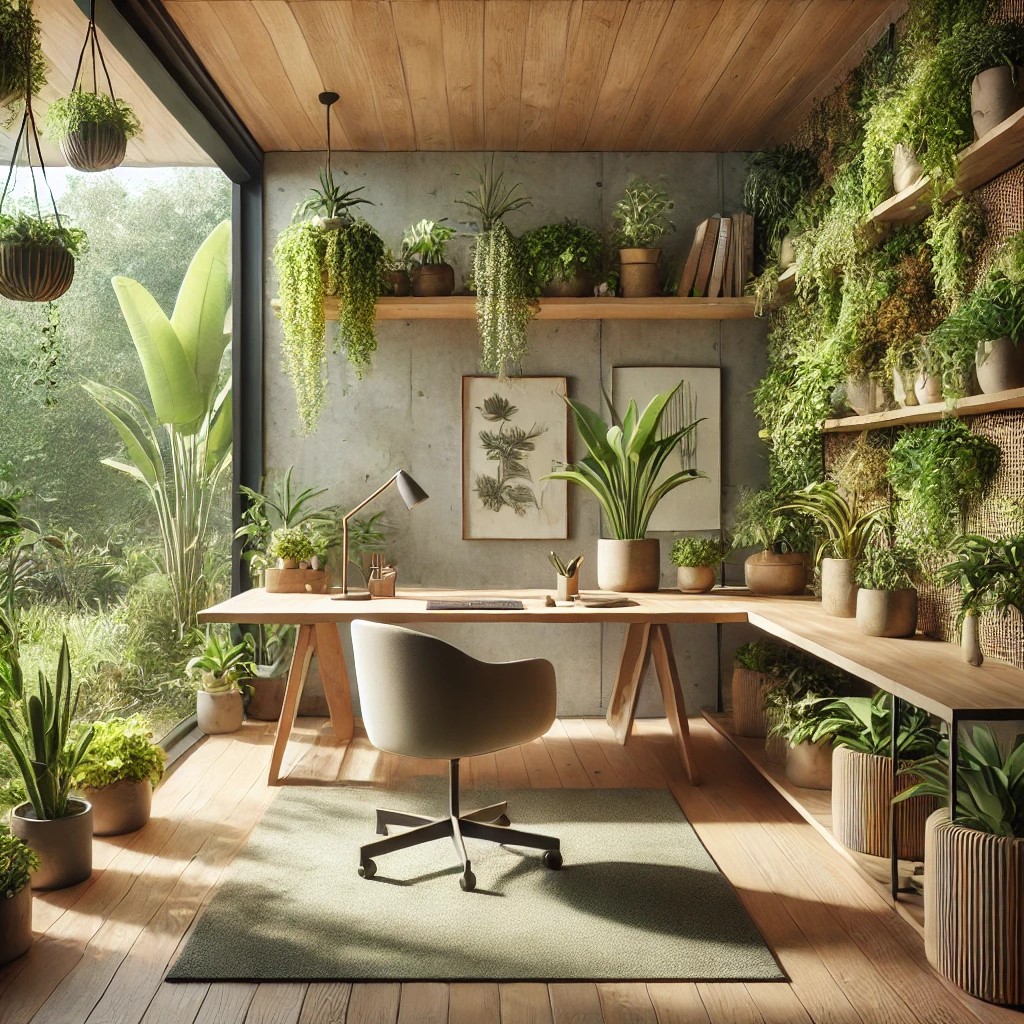
In our increasingly urbanised world, the connection between people and nature has become more important than ever. Biophilic design, which integrates natural elements into architectural spaces, is a powerful approach to creating environments that enhance well-being, reduce stress, and improve overall health. This blog explores how you can incorporate biophilic design principles into your home, connecting your living space with nature to foster a healthier and more harmonious lifestyle.
What is Biophilic Design?
Biophilic design is a concept that emphasises the human connection to the natural world. It involves incorporating natural elements such as light, water, plants, and natural materials into built environments to create spaces that are not only aesthetically pleasing but also beneficial to our physical and mental health. The goal of biophilic design is to blur the boundaries between indoor and outdoor spaces, fostering a sense of connection with nature even when we’re indoors.
Benefits of Biophilic Design
1. Enhanced Well-Being:
- Biophilic design has been shown to reduce stress, enhance mood, and promote overall well-being. Exposure to natural elements can lower cortisol levels, decrease anxiety, and improve cognitive function.
2. Improved Air Quality:
- Incorporating plants and natural ventilation can improve indoor air quality by filtering pollutants and providing fresh oxygen. This leads to a healthier living environment and reduces the risk of respiratory issues.
3. Increased Productivity:
- Natural light, greenery, and natural materials in the home can boost productivity and creativity. These elements create an environment that supports focus and mental clarity, making it easier to work or study from home.
4. Connection to Nature:
- Biophilic design fosters a stronger connection to nature, which can lead to a greater appreciation for the environment and a more sustainable lifestyle. This connection can also promote mindfulness and a sense of peace.
Strategies for Integrating Biophilic Design into Your Home
1. Maximise Natural Light
Large Windows and Skylights:
- Install large windows, skylights, and glass doors to maximise the amount of natural light entering your home. Natural light not only enhances mood but also supports the body’s natural circadian rhythms, improving sleep quality.
Light Reflective Surfaces:
- Use light-coloured, reflective surfaces such as white walls, mirrors, and glass to amplify natural light and distribute it throughout the space. This creates a bright and airy atmosphere.
2. Incorporate Greenery
Indoor Plants:
- Integrate a variety of indoor plants to bring nature into your home. Plants like snake plants, peace lilies, and spider plants are not only beautiful but also effective at filtering indoor air and removing toxins.
Vertical Gardens:
- Consider installing a vertical garden or green wall in your living space. Vertical gardens are a striking way to incorporate greenery into your home without taking up floor space, and they add a dynamic, living element to your décor.
3. Use Natural Materials
Wood, Stone, and Bamboo:
- Incorporate natural materials like wood, stone, and bamboo into your home’s design. These materials add warmth and texture, creating a comforting and grounded environment. Use wood for flooring, furniture, and accent walls, while stone can be used for countertops, fireplaces, and flooring.
Natural Textiles:
- Choose natural fabrics such as cotton, wool, linen, and jute for upholstery, curtains, and rugs. These materials not only feel good but also enhance the tactile connection to nature.
4. Create a Water Feature
Outdoor Water Access:
- If possible, design your home to include access to outdoor water features like ponds, streams, or pools. The presence of water enhances the sensory experience and strengthens the connection to nature.
5. Design for Views of Nature
Strategic Window Placement:
- Place windows in locations that offer views of nature, such as gardens, trees, or landscapes. These views can provide a sense of calm and tranquility, helping to reduce stress and enhance well-being.
Create Outdoor Living Spaces:
- Design outdoor living areas such as patios, balconies, or terraces that blend seamlessly with the interior. Use these spaces for relaxation, dining, or socialising, allowing you to enjoy the benefits of nature in your daily life.
6. Embrace Natural Shapes and Patterns
Organic Forms:
- Incorporate furniture and architectural elements with organic shapes and patterns that mimic those found in nature. Curved lines, asymmetrical forms, and fractal patterns can create a more harmonious and visually appealing environment.
Biophilic Art and Décor:
- Use artwork, textiles, and décor that feature natural motifs, such as botanical prints, landscapes, or wildlife. These elements reinforce the connection to nature and bring the outdoors inside.
7. Enhance Indoor Air Quality
Natural Ventilation:
- Design your home with natural ventilation in mind, allowing fresh air to circulate through the space. Cross-ventilation, where windows and doors are positioned to promote airflow, can help keep indoor air fresh and healthy.
Air-Purifying Plants:
- Incorporate air-purifying plants like aloe vera, Boston ferns, and rubber plants to filter indoor air and improve air quality. These plants can reduce indoor pollutants and create a healthier living environment.
Conclusion
Integrating biophilic design into your home is a powerful way to enhance well-being, reduce stress, and create a healthier living environment. By incorporating natural elements like light, greenery, water, and organic materials, you can create a space that fosters a deep connection with nature and supports your physical and mental health.
For personalised advice and expert guidance on integrating biophilic design into your home, contact Architecture with Angie. Our experience in sustainable architecture and wellness design ensures that your home will be both beautiful and beneficial to your well-being.
Connect with nature in your home—reach out to us today!
 Architecture with Angie