
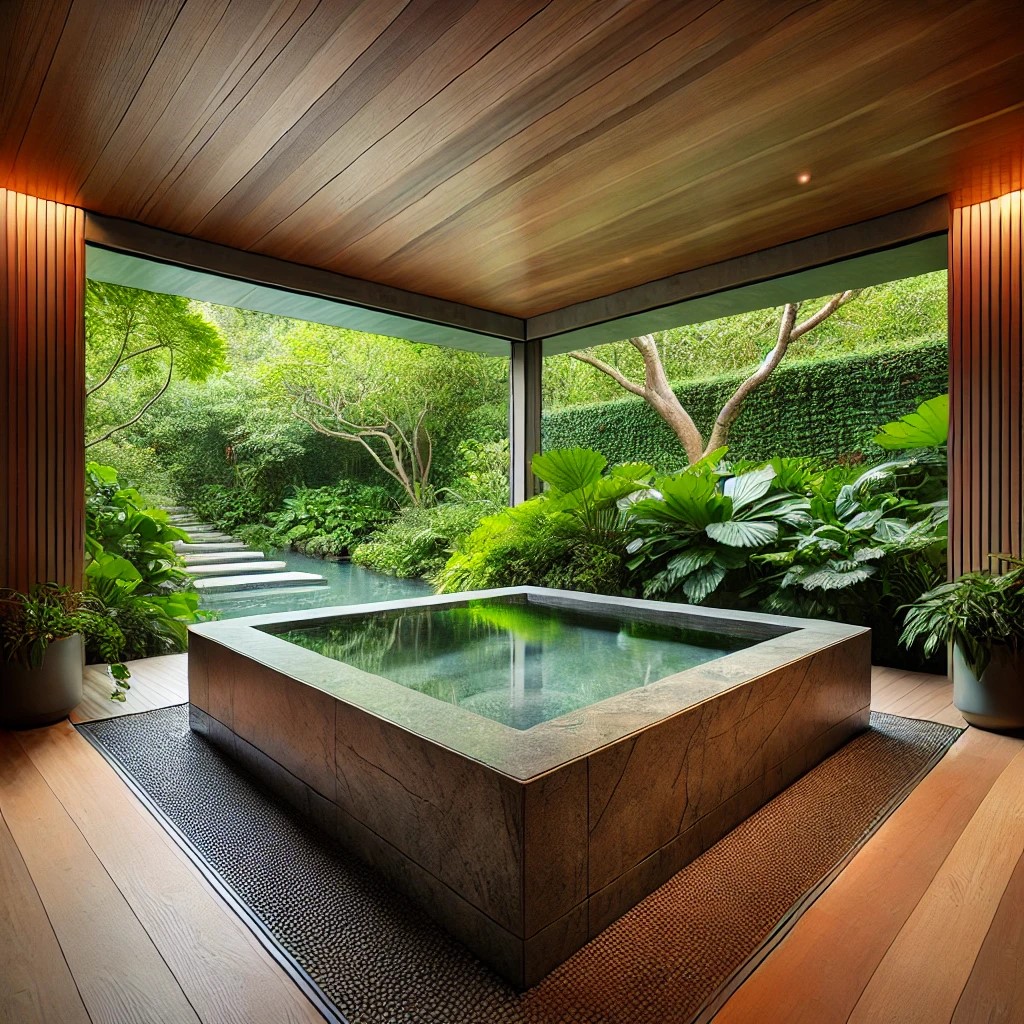
Natural light is one of the most valuable elements in architectural design, offering numerous benefits from improving energy efficiency to enhancing the comfort and ambiance of living spaces. Daylighting techniques focus on maximising the use of natural light in your home, reducing the need for artificial lighting, and creating a bright, inviting environment. However, it’s essential to balance the benefits of daylighting with energy efficiency considerations, particularly concerning windows, skylights, and modern lighting options. This blog explores strategies for incorporating daylighting into your home design to brighten your space naturally and sustainably.
The Benefits of Daylighting
1. Enhanced Well-Being:
- Natural light positively impacts mood and mental health, promoting a sense of well-being and reducing stress.
- Exposure to daylight helps regulate circadian rhythms, improving sleep quality and overall health.
2. Aesthetic Appeal:
- Natural light enhances the visual appeal of a space, highlighting textures, colours, and architectural features.
- It creates a dynamic environment as light changes throughout the day, adding depth and interest to your home.
Energy Efficiency Considerations
While daylighting offers many advantages, it’s important to consider the energy efficiency of your home’s design, particularly when it comes to windows and skylights. These elements, while excellent for bringing in natural light, are often the least energy-efficient parts of a building envelope.
1. Windows and Skylights:
- Energy Efficiency Concerns: Windows and skylights can be sources of significant heat loss in winter and heat gain in summer. Even with advanced glazing options, these openings are less energy-efficient compared to insulated walls and roofs.
- Balance with Insulation: It’s crucial to balance the desire for natural light with the need for proper insulation. Overuse of windows and skylights can lead to increased energy consumption for heating and cooling, counteracting the energy savings from reduced artificial lighting.
2. Modern Lighting vs. Heating and Cooling:
- Low Energy Use of Modern Lights: With the advent of energy-efficient LED lighting, the electricity used for lighting has significantly decreased. LEDs consume very little energy compared to traditional incandescent bulbs, making the energy savings from daylighting less impactful in terms of overall energy consumption.
- Heating and Cooling Considerations: Since heating and cooling account for a larger portion of a home’s energy use, it’s important to design with energy efficiency in mind. Poorly insulated windows and skylights can lead to higher energy bills, outweighing the benefits of reduced artificial lighting.
Daylighting Techniques for Your Home
1. Strategic Window Placement:
Maximising Light Entry:
- Place windows on the north side of your home to capture the most sunlight throughout the day. South-facing windows provide consistent, soft light, while east- and west-facing windows bring in light during specific times.
Consider Window Height:
- Higher windows allow light to penetrate deeper into a room, reducing the need for additional light sources. Tall windows or clerestory windows near the ceiling are effective in bringing in ample daylight.
Use of Transoms and Sidelights:
- Incorporate transoms (windows above doors) and sidelights (windows beside doors) to increase light entry in areas like entryways and hallways, which are often darker.
2. Skylights and Roof Windows:
Skylights for Overhead Lighting:
- Skylights are an excellent way to bring natural light into spaces that lack exterior walls for windows, such as bathrooms, hallways, or attics. They provide a direct source of light from above, brightening the room evenly.
Energy Efficiency Consideration:
- When installing skylights or roof windows, opt for high-performance glazing with low-emissivity (Low-E) coatings and ensure they are well-insulated to minimise heat loss in winter and heat gain in summer.
3. Light Shelves and Reflectors:
Light Shelves:
- Install light shelves beneath windows to reflect sunlight deeper into the room. Light shelves are horizontal surfaces that bounce light upward, distributing it more evenly across the space.
Reflective Surfaces:
- Use light-coloured or reflective materials for walls, ceilings, and floors to enhance the diffusion of natural light. Glossy finishes, mirrors, and metallic accents can help amplify light throughout the room. Light coloured fencing along the south can reflect more light into south-facing windows.
4. Glass Doors and Partitions:
Interior Glass Doors:
- Replace solid interior doors with glass doors or doors with glass panels to allow light to flow between rooms. This technique helps brighten interior spaces that might otherwise rely on artificial lighting.
Glass Partitions:
- Use glass partitions instead of solid walls in areas where privacy isn’t a concern. Glass partitions maintain an open feel and allow light to pass through, keeping connected spaces bright.
5. Open Floor Plans:
Creating Open Spaces:
- An open floor plan allows light to travel freely across large areas without being obstructed by walls or partitions. Combining living, dining, and kitchen areas into one open space maximises the reach of natural light.
Minimising Interior Walls:
- Reduce the number of interior walls to prevent light from being blocked. Consider using half-walls, glass dividers, or open shelving to maintain separation between spaces without compromising daylighting.
6. Window Treatments and Shades:
Light-Filtering Shades:
- Use light-filtering shades or blinds to diffuse harsh sunlight while still allowing light to enter the room. This helps prevent glare and maintains a comfortable, well-lit environment.
Sheer Curtains:
- Sheer curtains soften the light entering a room and provide a degree of privacy without significantly reducing natural light. They are ideal for spaces where you want to maintain a bright, airy feel.
7. Atriums and Courtyards:
Indoor Courtyards:
- Incorporate an indoor courtyard or atrium into your home design to bring light into the centre of the house. These open spaces can also serve as focal points, adding greenery and a connection to nature.
Centralised Light Wells:
- A light well is an opening that brings light into the interior of a building. Positioned in the centre of the home, a light well can brighten surrounding rooms and provide a visual connection to the outdoors.
Balancing Daylighting with Energy Efficiency
1. Window Glazing:
- Use double or triple-glazed windows with Low-E coatings to reduce heat gain while allowing maximum light to enter. This helps maintain a comfortable indoor temperature without compromising daylight.
2. Shading Devices:
- Install exterior shading devices like awnings, pergolas, or louvers to block direct sunlight during the hottest parts of the day. This reduces the risk of overheating while still permitting natural light.
3. Vegetation and Landscaping:
- Strategically plant trees and shrubs around your home to provide shade and reduce heat gain. Deciduous trees are particularly effective, as they provide shade in the summer and allow sunlight in during the winter.
4. Use of Modern Lighting:
- When natural light is insufficient, use energy-efficient LED lighting to illuminate your home. LEDs consume minimal energy, offering a low-cost, low-energy alternative to excessive reliance on natural light sources that may compromise the building’s insulation.
Conclusion
Daylighting is a powerful design tool that can transform your home into a bright, welcoming, and energy-efficient space. By incorporating strategies such as strategic window placement, skylights, reflective surfaces, and open floor plans, you can maximise the benefits of natural light, enhancing both your living environment and your well-being. However, it’s essential to balance the desire for natural light with the need for energy efficiency, especially when considering the role of windows and skylights in a well-insulated building envelope.
For personalised advice and innovative design solutions that prioritise natural light and energy efficiency, contact Architecture with Angie. Our expertise in architectural design and sustainable building practices ensures that your home will be both beautiful and environmentally responsible.
Brighten your home naturally—reach out to us today!
 Architecture with Angie