
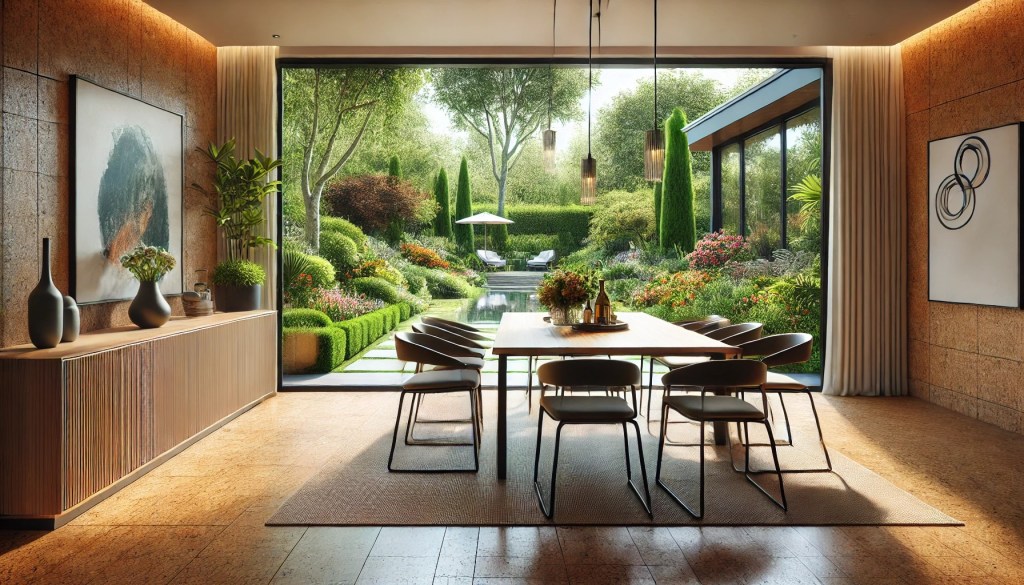
Incorporating sustainable and health-conscious materials into your home is becoming increasingly important as we seek to reduce our environmental impact and create healthier living spaces. Flooring is a significant aspect of home design, and choosing eco-friendly options can contribute to a more sustainable and healthful environment. This blog reviews several sustainable flooring options, from bamboo to cork, highlighting their benefits and considerations.
Bamboo Flooring
1. Rapid Renewability:
Bamboo is a grass that grows rapidly, making it a highly renewable resource. It can reach maturity in just 3-5 years, compared to the decades required for traditional hardwoods.
2. Durability:
Bamboo is remarkably durable and can be harder than many types of hardwood, making it a practical choice for high-traffic areas.
3. Aesthetic Versatility:
Bamboo flooring is available in a variety of colors and grain patterns, allowing it to fit seamlessly into different interior design styles.
4. Environmental Impact:
Ensure the bamboo you choose is sourced from sustainably managed forests and certified by organisations like the Forest Stewardship Council (FSC). Avoid products with high levels of formaldehyde in adhesives. Opt for mechanical (nail) fixing over adhesive fixing.
Cork Flooring
1. Harvesting Process:
Cork is harvested from the bark of cork oak trees, which regenerates every 9-12 years, making it a renewable resource. This process does not harm the trees, allowing them to continue growing and absorbing CO2.
2. Comfort and Insulation:
Cork is soft and resilient underfoot, providing excellent comfort and sound insulation. Its natural thermal properties help maintain a comfortable indoor temperature.
3. Hypoallergenic and Antimicrobial:
Cork is naturally resistant to mould, mildew, and pests, making it an excellent choice for those with allergies or asthma.
4. Environmental Impact:
Ensure the cork flooring is sourced from sustainably managed forests and manufactured without harmful chemicals. Look for products certified by FSC or other reputable organisations.
Reclaimed Wood Flooring
1. Reuse and Recycle:
Reclaimed wood flooring repurposes wood from old buildings and other structures, giving new life to materials that might otherwise be discarded. Be sure to trace the source of the timber to minimise the risk of contamination from previous uses, such as animal farming, mechanics or factories with harmful substances.
2. Unique Character:
Each piece of reclaimed wood has a unique history and character, adding a sense of authenticity and charm to your home.
3. Environmental Impact:
Using reclaimed wood reduces the demand for new timber and helps preserve forests. Ensure the wood is sourced and treated without harmful chemicals.
4. Durability and Maintenance:
Reclaimed wood can be very durable but may require more maintenance than new wood due to its age and previous use. Proper finishing and sealing can enhance its longevity.
Linoleum Flooring
1. Natural Composition:
Linoleum is made from natural materials, including linseed oil, cork dust, wood flour, and jute. It is biodegradable and does not emit harmful VOCs.
2. Durability and Maintenance:
Linoleum is durable and easy to maintain, with a lifespan of up to 40 years. Its natural resilience makes it suitable for high-traffic areas.
3. Aesthetic Variety:
Available in a wide range of colors and patterns, linoleum can complement various design styles.
4. Environmental Impact:
Ensure the linoleum is manufactured sustainably and free from harmful chemicals. Look for products certified by environmental standards organisations.
Wool Carpet
1. Natural and Renewable:
Wool is a natural, renewable resource that is biodegradable and sustainable. Sheep regrow their fleece annually, providing a continuous supply of wool. Goat hair is also becoming increasingly available.
2. Comfort and Insulation:
Wool carpet is soft underfoot and provides excellent thermal and acoustic insulation, enhancing the comfort of your home.
3. Hypoallergenic Properties:
Wool is naturally resistant to dust mites and mould, making it a good choice for those with allergies. However, hard flooring is likely to be a better option for those with allergies as the pile is likely to harbour dust.
4. Environmental Impact:
Ensure the wool is sourced from sustainably managed farms and processed without harmful chemicals. Look for organic or eco-friendly certifications.
Terrazzo Flooring
1. Recycled Content:
Terrazzo flooring is made from a mix of marble, glass, or other aggregates set in concrete or resin, often using recycled materials. This makes it an eco-friendly choice that repurposes waste materials.
2. Durability and Longevity:
Terrazzo is incredibly durable and can last for decades with minimal maintenance. Its hard surface makes it suitable for high-traffic areas.
3. Aesthetic Appeal:
Terrazzo offers a wide range of design possibilities with its variety of colours and aggregate materials. It can be customised to fit any aesthetic, from modern to classic.
4. Environmental Impact:
Choose terrazzo made with recycled materials and low-VOC resins to maximise its environmental benefits. Its long lifespan also reduces the need for replacement, contributing to sustainability. As with recycled timber, trace and consider the source of the recycled content to minimise the chance of contamination.
Conclusion
Choosing sustainable flooring options is a crucial step towards creating an eco-friendly and health-conscious home. By selecting materials like bamboo, cork, reclaimed wood, linoleum, wool carpet, and terrazzo, you can reduce your environmental impact and enhance the well-being of your living space.
For personalised advice and innovative design solutions that prioritise sustainability and health, contact Architecture with Angie. Our expertise in building biology and sustainable architecture ensures that your home will be both beautiful and environmentally responsible.
Transform your home with sustainable flooring options—reach out to us today!
 Architecture with Angie