
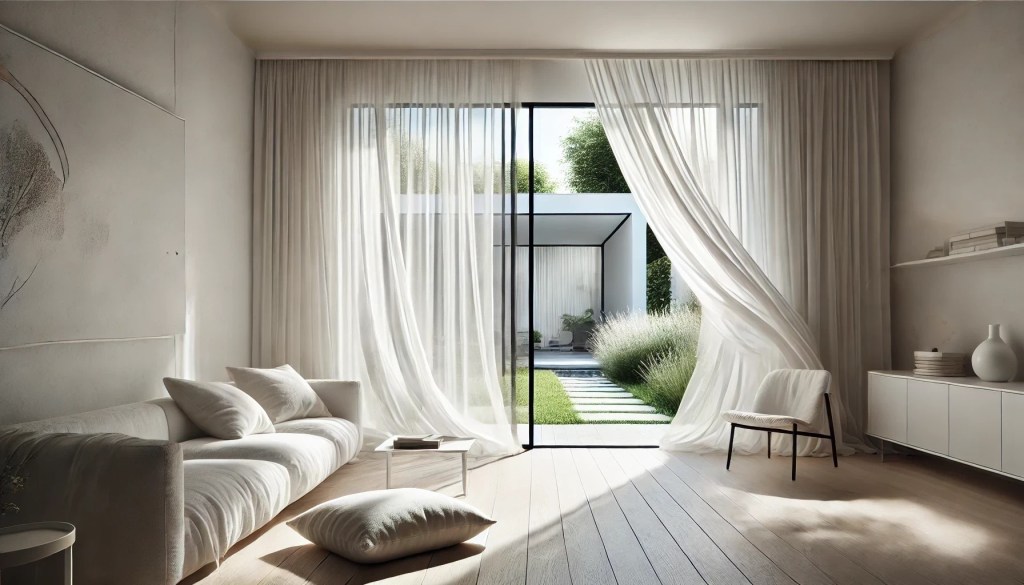
For individuals with chemical sensitivities, everyday materials and products can trigger a range of adverse reactions, from headaches and fatigue to more severe respiratory issues. Designing a home that minimises exposure to harmful chemicals is crucial for promoting health and well-being for those with sensitivities. This blog explores design considerations and material choices to create a safe and comfortable living environment for sensitive individuals.
Understanding Chemical Sensitivities
Chemical sensitivities, also known as Multiple Chemical Sensitivities (MCS), refer to a condition where individuals experience negative health effects from low-level exposure to various chemicals. Common triggers include VOCs (volatile organic compounds), formaldehyde, pesticides, and synthetic fragrances. Creating a safe home involves minimising these and other potential irritants through careful selection of materials and thoughtful design.
Design Considerations for a Safe Home
1. Ventilation:
- Enhanced Airflow: Ensure your home is well-ventilated to prevent the buildup of indoor pollutants. Use exhaust fans, range hoods, and operable windows to promote air exchange.
- Air Purification: Incorporate high-quality air purifiers with HEPA filters to remove airborne particles, allergens, and chemical pollutants. Consider whole-house ventilation systems for continuous fresh air.
2. Low-VOC and Non-Toxic Materials:
- Paints and Finishes: Choose low-VOC or zero-VOC paints and finishes to reduce indoor air pollution.
- Sealants and Adhesives: Use low-VOC or water-based sealants and adhesives to minimise chemical emissions during construction and renovation. Opt for mechanical fixings rather than adhesives as much as possible.
3. Flooring:
- Hard Surface Flooring: Opt for hard surface flooring such as ceramic tile, natural linoleum, or polished concrete instead of carpets, which can trap allergens and chemicals.
- Non-Toxic Flooring: Consider natural materials like cork, bamboo, or FSC-certified hardwood over vinyl. Ensure these products are free from formaldehyde and other harmful chemicals.
4. Furniture and Furnishings:
- Solid Wood Furniture: Choose furniture made from solid wood rather than particleboard or MDF, which often contain formaldehyde-based adhesives.
- Natural Fabrics: Select furniture and textiles made from natural, untreated fibers such as organic cotton, wool, or hemp. These materials are less likely to off-gas harmful chemicals.
5. Insulation:
- Non-Toxic Insulation: Use insulation materials that do not off-gas harmful chemicals, such as cellulose, cotton, or mineral wool. Avoid conventional fiberglass insulation that may contain formaldehyde.
Creating a Chemical-Free Indoor Environment
1. Avoid Synthetic Fragrances:
- Fragrance-Free Products: Choose fragrance-free cleaning products, personal care items, and laundry detergents. Synthetic fragrances can be a significant source of indoor air pollution.
- Natural Alternatives: Use natural alternatives like essential oils for scent, but be cautious, as some individuals with chemical sensitivities may also react to certain natural substances.
2. Water Filtration:
- Whole-House Water Filtration: Install a whole-house water filtration system to remove chemicals, chlorine, and other contaminants from your water supply. This ensures clean water for drinking, bathing, and cooking.
- Point-of-Use Filters: Use point-of-use filters for faucets and showerheads to further reduce exposure to waterborne chemicals.
3. Cleaning and Maintenance:
- Non-Toxic Cleaning Products: Use non-toxic, biodegradable cleaning products to avoid introducing harmful chemicals into your home.
- Regular Cleaning: Maintain a regular cleaning schedule to reduce dust, mould, and other allergens. Use a vacuum with a HEPA filter to capture fine particles.
4. Mould Prevention:
- Moisture Control: Keep indoor humidity levels between 30-50% to prevent mould growth. Use dehumidifiers in damp areas and ensure proper ventilation in bathrooms and kitchens.
- Mould-Resistant Materials: Choose mould-resistant materials for areas prone to moisture, such as tile or moisture-resistant drywall in bathrooms. Be vigilant when considering materials with anti-microbial properties as these may be triggering.
Bedroom Considerations
1. Mattress and Bedding:
- Organic Mattresses: Invest in an organic mattress made from natural latex, cotton, or wool. Ensure the mattress is free from flame retardants and other chemicals. Allow time for furniture to off-gas before entering the house.
- Hypoallergenic Bedding: Use hypoallergenic, organic bedding materials to reduce exposure to allergens and chemicals. Wash bedding before use and regularly in hot water to eliminate dust mites. Dry in the sun.
2. Air Quality:
- HEPA Air Purifiers: Use HEPA air purifiers in the bedroom to help with clean, allergen- and pollutant-free air. Regularly replace filters to maintain efficiency.
Conclusion
Designing a home for individuals with chemical sensitivities requires careful consideration of materials and environmental factors. By selecting low-VOC, non-toxic products and implementing strategies to enhance air and water quality, you can create a safe and comfortable living space that supports health and well-being.
For personalised advice and innovative design solutions that prioritise health and safety, contact Architecture with Angie. Our expertise in building biology and sustainable architecture ensures that your home will be both beautiful and safe for sensitive individuals.
Create a safe haven for sensitive individuals—reach out to us today!
 Architecture with Angie