
Radon is a naturally occurring, radioactive gas that can pose serious health risks if it accumulates to high levels inside homes. Being odourless, colourless, and tasteless, radon is often referred to as the silent threat. Understanding the risks associated with radon and implementing effective mitigation strategies during new home construction can significantly reduce exposure and enhance indoor air quality. This blog explores radon risks and provides practical strategies for mitigating this gas in new home designs.
The Risks of Radon Exposure
Radon is produced from the natural decay of uranium found in soil, rock, and water. It can seep into homes through building materials, cracks in floors, walls, and foundations. Long-term exposure to high levels of radon is the second leading cause of lung cancer after smoking, according to the Environmental Protection Agency (EPA 2024). Understanding these risks underscores the importance of incorporating radon mitigation measures in new home construction.
Internal Sources of Radon
While the primary source of radon in homes is the soil underneath, certain building materials can also contribute to indoor radon levels. Awareness of these materials is crucial when designing and constructing a new home.
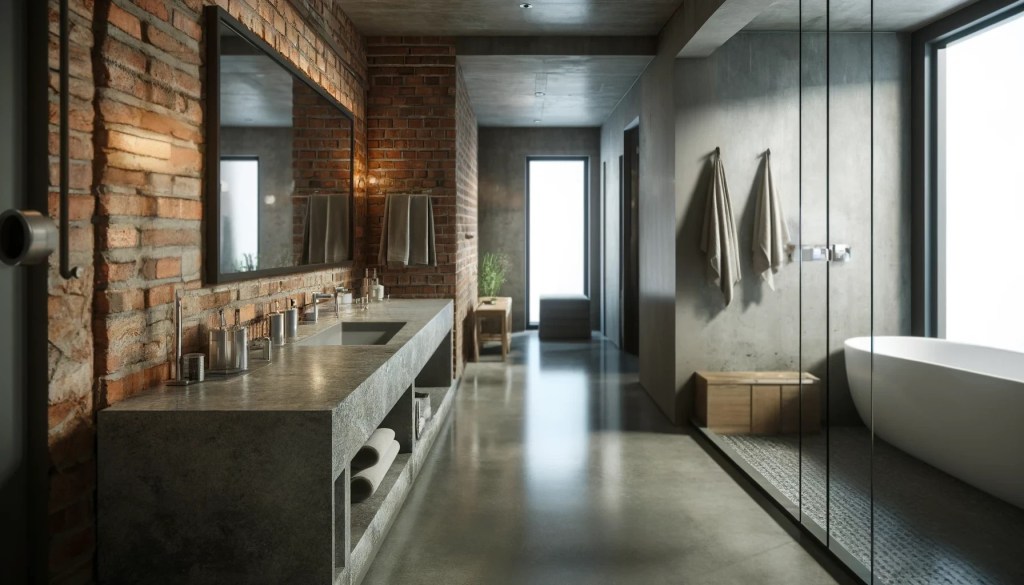
1. Granite: Granite, commonly used for countertops and flooring, can contain trace amounts of uranium. As granite decays, it can release radon gas into the home. While the levels are generally low, in homes with significant amounts of granite, this can contribute to indoor radon levels.
2. Concrete: Concrete is made from a mixture of materials, including sand, gravel, and cement, which can contain small amounts of uranium. As with granite, the radon levels emitted from concrete are typically low, but in well-insulated, airtight homes, the cumulative effect can be significant.
3. Recycled Materials: Some recycled building materials, particularly those sourced from industrial by-products, can contain higher concentrations of uranium. It is essential to test these materials for radon emissions before use.
4. Household Appliances: There are claims that some household appliances, such as certain types of refrigerators, could contribute to indoor radon levels. However, there is limited scientific evidence to support this. The primary concern remains the building materials and the soil beneath the home.
The Australian Radiation Protection and Nuclear Safety Agency (ARPANSA) has conducted a nationwide survey of radon in homes. The results showed that the average concentration of radon in Australian homes is low, and is about one quarter of the worldwide average. Consequently, there is little cause for concern that the health of the population is at undue risk from radon in homes. However this survey did find that approximately one in a thousand homes may have high levels of radon. Generally, homes that are well ventilated, made of timber or built on stumps have lower radon levels compared to homes on concrete slabs with brick walls. However, the only way to be certain of radon levels in your home is to get it tested. Radon monitors are available for purchase from ARPANSA (ARPANSA n.d).
Key Strategies for Radon Mitigation
1. Site Evaluation: Before construction begins, conduct a thorough site evaluation to assess radon levels. This involves testing the soil and identifying potential radon entry points. Professional radon measurement services can provide accurate readings and recommendations. Refer to APRPANSA’s Radon Map of Australia for average radon levels in homes by district.
2. Radon-Resistant Construction Techniques: Implement radon-resistant construction techniques to prevent radon from entering the home. These include:
- Gas-Permeable Layer: Install a layer of clean gravel or aggregate beneath the foundation slab to allow soil gases to move freely underneath the house.
- Plastic Sheeting: Place plastic sheeting or a vapor barrier over the gas-permeable layer to prevent radon from entering the home through the foundation.
- Sealing and Caulking: Seal all cracks, gaps, and penetrations in the foundation and walls with durable caulk or sealant to reduce radon entry points.
- Vent Pipe: Install a vent pipe from the gas-permeable layer to the roof to safely vent radon gas out of the house.
3. Proper Ventilation: Ensure your home has adequate ventilation to reduce radon levels. This includes regularly opening windows or installing mechanical ventilation systems such as heat recovery ventilators (HRVs) or energy recovery ventilators (ERVs) to improve indoor air exchange and dilute indoor radon concentrations.
4. Radon Testing Post-Construction: After construction is complete, conduct radon testing to confirm that mitigation measures are effective. Long-term radon tests (lasting 90 days or more) provide a more accurate representation of average radon levels. If high levels are detected, additional mitigation steps may be necessary.
Benefits of Radon Mitigation in New Home Construction
1. Health Protection: The primary benefit of radon mitigation is the protection of occupant health. By reducing radon levels, you lower the risk of lung cancer and create a safer living environment for you and your family.
2. Increased Home Value: Homes with radon mitigation systems can be more attractive to buyers, as they offer an added layer of safety. This can increase the overall value and marketability of the property.
3. Peace of Mind: Knowing that your home is protected against radon provides peace of mind. You can rest assured that you’ve taken proactive steps to safeguard your health and that of your loved ones.
Conclusion
Incorporating radon mitigation strategies in new home construction is essential for creating a safe and healthy living environment. By understanding radon risks, including those from internal sources like building materials, and implementing effective mitigation measures, you can significantly reduce radon exposure and enhance indoor air quality.
For personalised advice and innovative design solutions contact Architecture with Angie. Our expertise in building biology and sustainable architecture ensures that your home will be both beautiful and secure.
References
ARPANSA (The Australian Radiation Protection and Nuclear Safety Agency) n.d., Radon Exposure and Health, ARPANSA, Australian Government, accessed 5 July 2024
EPA (US Environmental Protection Agency) 2024, Health Risk of Radon, US EPA, United States Government, accessed 5 July 2024
 Architecture with Angie