
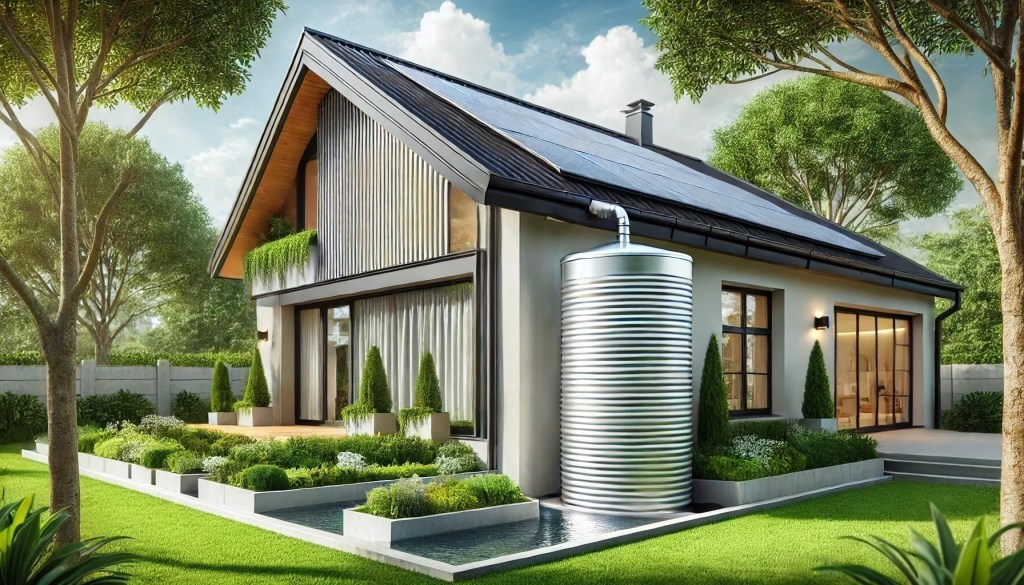
Water scarcity is a growing concern worldwide, making sustainable water management practices more crucial than ever. Integrating rainwater harvesting systems into home design is an effective way to promote sustainable water use while aligning with the principles of building biology. This blog explores the benefits of rainwater harvesting and provides insights into how it can be seamlessly incorporated into your home design to support both the environment and your health.
The Basics of Rainwater Harvesting
Rainwater harvesting involves collecting and storing rainwater for later use. This water can be used for various non-potable purposes, such as irrigation, toilet flushing, and washing, reducing the demand on municipal water supplies. By designing homes that capture and utilise rainwater, homeowners can significantly lower their environmental footprint and promote a sustainable lifestyle.
Benefits of Rainwater Harvesting
1. Sustainable Water Use:
Harvesting rainwater reduces reliance on mains water, conserving a precious natural resource. This is especially important in areas prone to drought or with limited freshwater supplies. By utilising rainwater for non-potable uses, you can reduce your household’s overall water consumption.
2. Reduced Water Bills:
By supplementing your water supply with harvested rainwater, you can lower your monthly water bills. This cost-saving benefit is particularly advantageous for homes with extensive irrigation needs or those looking to cut down on utility expenses.
3. Improved Plant Health:
Rainwater is naturally soft and free from the chemicals and minerals found in treated tap water. This makes it ideal for watering plants, as it promotes healthier growth and reduces the risk of soil salinity and chemical build-up.
4. Flood Mitigation:
Collecting and storing rainwater helps manage stormwater runoff, reducing the risk of flooding and erosion on your property. This not only protects your home but also helps manage local water systems and reduce the strain on stormwater infrastructure.
5. Environmental Benefits:
Rainwater harvesting reduces the demand for treated water, decreasing the energy and chemicals used in water treatment processes. This contributes to a lower carbon footprint and supports overall environmental sustainability.
Integrating Rainwater Harvesting into Home Design
1. Roof Design and Gutters:
The roof is the primary catchment area for rainwater. Design your roof with suitable materials and a slight slope to facilitate water flow into gutters. Gutters should be equipped with filters to prevent debris from entering the storage system.
2. Storage Tanks:
Choose storage tanks based on your household’s water needs and available space. Tanks can be installed above ground or underground, and they come in various sizes and materials, such as plastic, concrete, or metal. Ensure the tanks are covered to prevent contamination and evaporation.
3. Filtration Systems:
Implement a filtration system to remove any remaining debris and contaminants from the harvested rainwater. This is especially important if you plan to use the water for indoor applications like toilet flushing or laundry.
4. Pump and Distribution:
A pump system is necessary to distribute the stored rainwater to various parts of your home, such as the garden, toilets, or washing machine. Design the distribution network to maximise efficiency and minimise water loss.
5. Maintenance:
Regular maintenance is essential to ensure the system functions correctly. This includes cleaning gutters, checking filters, inspecting tanks for leaks, and ensuring the pump operates efficiently.
Health Considerations in Rainwater Harvesting
1. Preventing Contamination:
Ensure that the rainwater harvesting system is designed and maintained to prevent contamination. This includes using non-toxic materials for storage tanks and pipes and regularly cleaning and inspecting the system.
2. Mosquito Control:
Prevent mosquito breeding by covering tanks and using mesh screens on inlets and outlets. Regularly inspect and maintain these barriers to keep them effective.
3. Pollution: Be aware of potential pollution from nearby industrial activities, traffic, or agricultural runoff that could contaminate the harvested rainwater. Regularly test the water quality to ensure it is safe for use.
Tank and Materials Selection
When selecting materials for your rainwater harvesting system, it’s crucial to consider compatibility and durability to ensure the system’s longevity and effectiveness.
1. Roof Materials:
- Metal Roofs: Galvanized steel or coated metal roofs are suitable for rainwater harvesting. Avoid using roofs with lead-based paints or asbestos materials.
- Tile Roofs: Ceramic or concrete tiles are also effective, but ensure they are free from harmful glazes or coatings.
2. Gutters and Downpipes:
- Material Compatibility: Use materials that are compatible with your roof and tank materials to avoid galvanic corrosion. For example, avoid mixing Zincalume gutters with galvanised downpipes or tanks.
- Plastics: PVC or HDPE gutters and downpipes are lightweight, resistant to corrosion, and easy to install. Ensure they are UV-stabilised for longevity.
3. Storage Tanks:
- Plastic Tanks: UV-stabilised polyethylene tanks are popular for their durability and resistance to corrosion. They are available in various sizes and can be installed above or below ground. If they are to be used for potable water they should be made from food grade polyethylene, however, they are not suitable for hot climates.
- Concrete Tanks: These are durable and provide excellent thermal insulation, keeping water cool. However, they are heavier and prone to cracking so require plastic lining.
- Metal Tanks: Stainless steel or coated steel (Colorbond) tanks are durable and resistant to corrosion when lined (Aquaplate) but ensure they are suitable for potable water storage if you plan to use the water indoors. The lining is susceptible to damage from sunlight, mosquito treatments and cleaning.
4. Preventing Galvanic Action:
- When using metals, be mindful of galvanic action, which occurs when dissimilar metals come into contact (either directly or via water runoff) and corrode. Use the same type of metal for the roof, gutters, and downpipes, or insert insulating materials to prevent direct contact.
Conclusion
Integrating rainwater harvesting systems into your home design is a practical and sustainable solution that aligns with the principles of building biology. By harnessing natural resources and reducing reliance on treated water, you can create a home that supports both environmental sustainability and personal well-being.
For personalised advice and innovative design solutions that prioritise sustainability and health, contact Architecture with Angie. Our expertise in building biology and eco-friendly architecture ensures that your home will be both beautiful and environmentally responsible.
 Architecture with Angie