
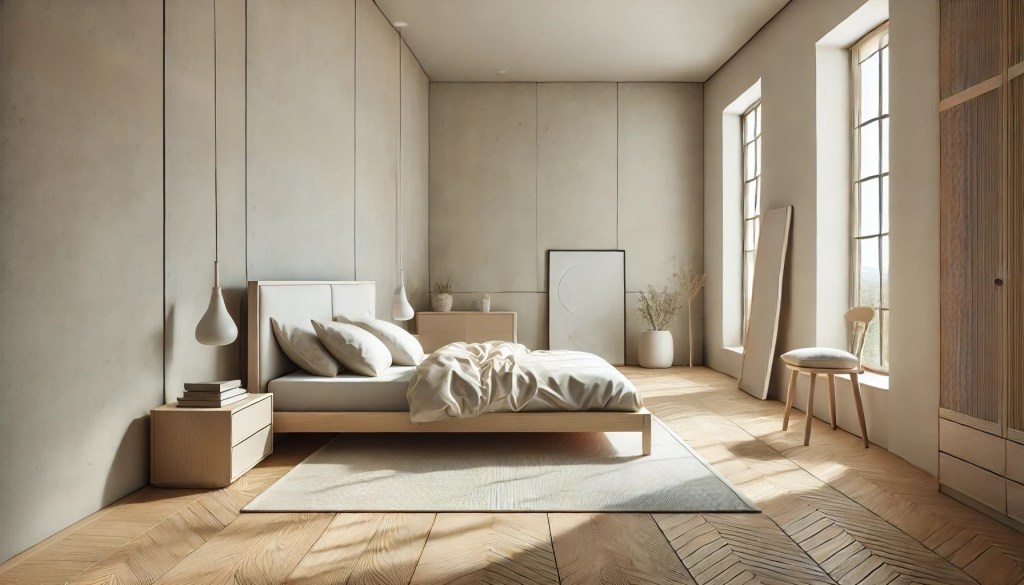
For those who suffer from allergies, creating an allergen-free living environment can significantly enhance their quality of life. By making strategic design choices and using specific materials, you can reduce allergens in your home and create a healthier, more comfortable space. This blog offers practical tips and insights for designing a home that helps combat allergies.
The Importance of Allergen-Free Living
Allergens such as dust mites, pollen, mold, and pet dander can trigger a range of symptoms, from sneezing and itchy eyes to more severe respiratory issues. Reducing these allergens in your home involves both proactive design choices and ongoing maintenance. Here are some key strategies to consider:
Flooring Choices
1. Hard Flooring Over Carpets:
Carpets can trap dust, pollen, and pet dander, making them a significant source of allergens. Opt for hard flooring materials such as hardwood, tile, or linoleum, which are easier to clean and less likely to harbour allergens.
2. Low-VOC Materials:
Choose flooring materials with low volatile organic compounds (VOCs) to improve indoor air quality. VOCs can irritate respiratory systems, so selecting low-VOC options helps create a healthier home environment. Be particularly cautious with adhesives.
Wall and Ceiling Treatments
1. Smooth Surfaces:
Textured walls and ceilings can trap dust and allergens. Opt for smooth finishes that are easier to clean and less likely to accumulate particles.
2. Low-VOC Paints:
Similar to flooring, using low-VOC paints reduces the release of harmful chemicals into the air, contributing to better indoor air quality.
Ventilation and Air Quality
1. High-Quality Air Filtration:
Install a high-efficiency particulate air (HEPA) filter in your HVAC system to capture small particles like pollen, dust mites, and pet dander. Regularly cleaning and replacing filters ensures optimal performance.
2. Proper Ventilation:
Ensure your home is well-ventilated to reduce indoor humidity and prevent mould growth. Use exhaust fans in kitchens and bathrooms and consider installing an energy recovery ventilator (ERV) to improve air exchange.
3. Minimise Air movement:
Air movement can disturb any dust or particles yet to be cleaned or captured. Opt for radiant heating such as hydronic flooring or panels over ducted and fan-forced systems.
Furniture and Fabrics
1. Hypoallergenic Fabrics:
Choose hypoallergenic materials for furniture and bedding. Synthetic fabrics are often more resistant to allergens compared to natural fibres. Look for pillows, mattresses, and upholstery that are labelled as hypoallergenic. Depending on the allergies, wool can be a fantastic, natural option to for those with dust mite allergies to consider.
2. Washable Fabrics:
Use washable covers for pillows, mattresses, and furniture. Regular washing in hot water can help eliminate dust mites and other allergens. Only hang washing outside to dry on days where the air quality is likely to stay good and pollen counts low.
Window Treatments
1. Hard Window Treatments:
Opt for hard window treatments like blinds or shutters instead of fabric curtains, which can trap dust and allergens. Blinds and shutters are easier to clean and less likely to collect allergens.
2. Regular Cleaning:
If you prefer curtains, choose those made from washable materials and clean them regularly. Vacuuming and washing window treatments helps reduce allergen build-up. Keep them off any widow condensation.
Indoor Plants
1. Low-Pollen Plants:
While indoor plants can improve air quality, some can also release pollen. Choose low-pollen plants like peace lilies, snake plants, or spider plants, which are less likely to trigger allergies.
2. Mould Prevention:
Overwatering plants can lead to mould growth. Ensure proper drainage and avoid excess moisture around plants to prevent mould. Keep plants away from bedrooms.
Regular Cleaning and Maintenance
1. Dusting and Vacuuming:
Regularly dust surfaces and vacuum floors with a vacuum cleaner equipped with a HEPA filter. This helps remove dust mites, pet dander, and other allergens from your home.
2. Controlling Humidity:
Maintain indoor humidity levels between 30-50% using dehumidifiers or air conditioners. Lower humidity levels help reduce dust mites and mould growth.
Conclusion
Designing a home that helps combat allergies involves thoughtful choices in materials, ventilation, and regular maintenance. By implementing these strategies, you can create a healthier living environment that minimises allergens and enhances your overall well-being.
For personalised advice and innovative design solutions that prioritise health and sustainability, contact Architecture with Angie. Our interest in building biology and eco-friendly architecture aims to create a tailored home to be both beautiful and allergen-free.
Transform your home into a haven of health—reach out to us today!
 Architecture with Angie