
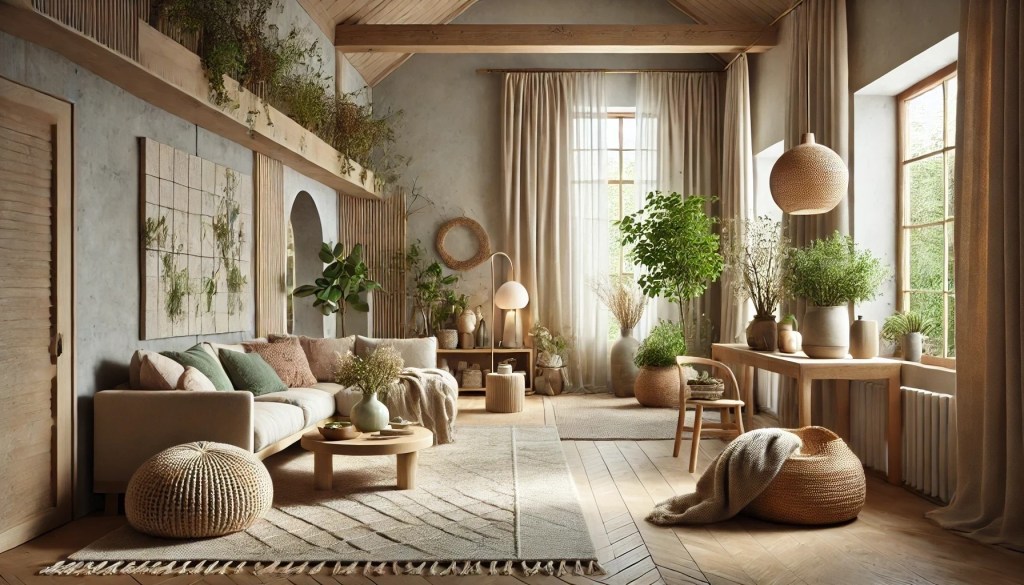
Creating a home that truly nurtures and comforts its inhabitants goes beyond mere functionality. A holistic approach to design considers how texture, colour, and light can engage the senses, promoting a sense of well-being and harmony. By using natural materials and thoughtful design elements, you can create a living space that feels inviting and rejuvenating. This blog explores how to integrate these sensory aspects into your home for a more enriching and comforting environment.
The Power of Texture
1. Natural Materials:
Incorporating natural materials such as wood, stone, and clay can add a rich tactile dimension to your home. These materials not only look beautiful but also feel grounding and calming. For instance, a wooden floor underfoot or a stone countertop can provide a direct connection to nature, enhancing the sensory experience.
2. Layered Textures:
Layering different textures adds depth and interest to a space. Combine smooth surfaces with rougher, more tactile elements like woven rugs, knitted throws, and natural fibre cushions. This contrast can make a room feel more dynamic and cosy.
3. Textured Walls:
Consider using textured wall finishes such as lime plaster, exposed brick, or wood panelling. These surfaces catch light differently throughout the day, creating a living, breathing environment that subtly changes and evolves.
The Influence of Colour
1. Natural Colour Palettes:
Use colours derived from nature to create a serene and balanced atmosphere. Earthy tones like soft greens, warm browns, and muted blues can evoke a sense of calm and connection to the natural world. These colours are not only soothing but also timeless, ensuring your home remains inviting for years to come.
2. Colour Psychology:
Different colours can have varied psychological effects. For example, blues and greens are known for their calming properties, making them ideal for bedrooms and bathrooms. Yellows and oranges can create a warm, welcoming environment, perfect for social spaces like kitchens and living rooms.
3. Accents and Highlights:
Use bold colours sparingly as accents to add interest and personality to your space without overwhelming it. Think of vibrant throw pillows, artwork, or a statement piece of furniture. These touches can enliven a room and highlight its best features.
The Role of Light
1. Natural Light:
Maximising natural light is crucial for creating a vibrant and healthy living environment. Large windows, skylights, and glass doors can flood your home with daylight, boosting mood and productivity. Ensure that window treatments allow you to control the light levels, providing flexibility and comfort.
2. Artificial Lighting:
Complement natural light with thoughtfully placed artificial lighting. Use a mix of ambient, task, and accent lighting to create layers of light that enhance the functionality and ambiance of each room. Consider dimmable lights for added flexibility and mood control.
3. Light and Shadow:
Play with light and shadow to add drama and depth to your spaces. Strategically placed lights can highlight architectural features and textured surfaces, creating a dynamic and engaging environment. The interplay of light and shadow can also emphasise the textures and colours in your home, making them more vibrant and compelling.
Integrating the Senses
1. Biophilic Design:
Biophilic design principles emphasise the connection between humans and nature. Incorporate elements like indoor plants, water features, and natural materials to create a harmonious and invigorating environment. This approach not only enhances the aesthetic appeal but also promotes physical and mental well-being.
2. Sensory Pathways:
Design pathways and flow within your home that guide the senses. For example, a textured hallway leading to a brightly lit living area, or a smooth wooden path through a garden filled with aromatic plants. These sensory journeys can make everyday movements through your home more enjoyable and mindful.
3. Soundscapes:
Consider the acoustic environment of your home. Soft materials, such as carpets, curtains, and cushions, can absorb sound, creating a quieter, more peaceful space. Alternatively, introducing water features or wind chimes can add soothing natural sounds that enhance relaxation.
Conclusion
A holistic approach to home design that engages the senses through texture, colour, and light can create a comforting and nurturing environment. By incorporating natural materials and thoughtful design elements, you can transform your home into a sanctuary that supports well-being and enhances daily living.
For personalised advice and innovative design solutions that prioritise sensory engagement and holistic well-being, contact Architecture with Angie. Our expertise in building biology and sustainable architecture will help you create a home that is not only beautiful but also deeply comforting and harmonious.
Transform your living space with a holistic approach to design—reach out to us today!
 Architecture with Angie