
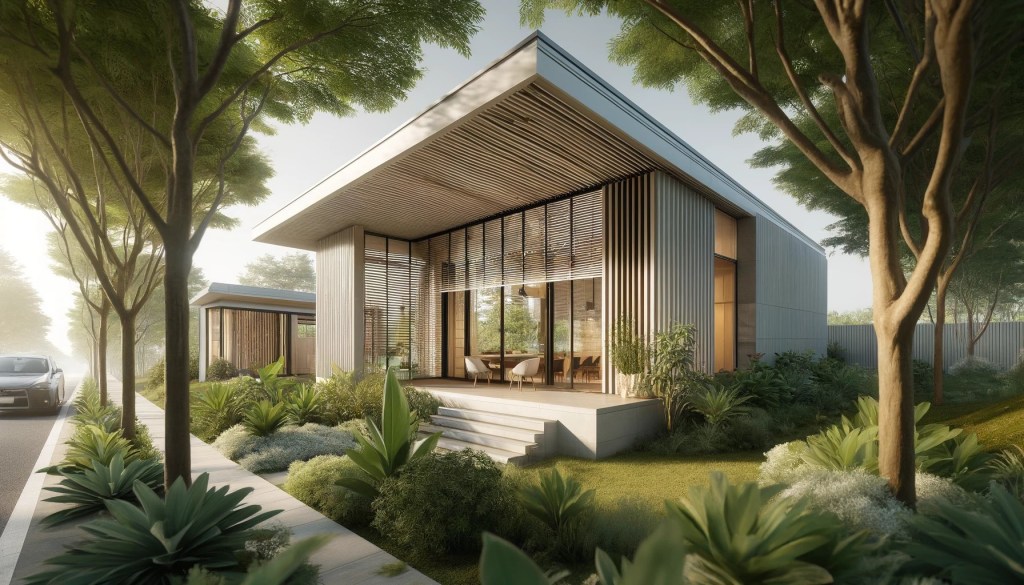
As the climate continues to warm and energy costs rise, finding effective ways to keep homes cool without relying heavily on air conditioning is becoming increasingly important. Passive cooling techniques in architecture offer sustainable, cost-effective solutions that enhance comfort and reduce energy consumption. What’s more, they often double their benefits with opportunities to maximise warmth in cold weather. This blog explores various passive cooling strategies that can be integrated into home design to naturally regulate indoor temperatures.
The Principles of Passive Cooling
Passive cooling leverages natural elements and design strategies to maintain comfortable indoor temperatures. These techniques reduce or eliminate the need for mechanical cooling systems, thus conserving energy and lowering utility bills. Here are some key principles and techniques for achieving passive cooling in your home:
Orientation and Layout
1. Optimal Building Orientation:
Orienting your home to take advantage of prevailing winds and minimise direct sunlight in warmer months can significantly impact indoor temperatures. In most regions, positioning the longest walls of the house facing north and south can help control heat gain from the sun.
2. Strategic Room Placement:
Place frequently used rooms, such as living areas on the warmer side of the house (north) to allow for controlled warmth throughout the year. Rooms used less often, such as bedrooms and bathrooms, and storage spaces like garages, can be placed on cooler sides of the house (south). Cooler spaces are generally more conducive to a restful sleep.
Shading and Insulation
1. Effective Shading:
Use overhangs, pergolas, and awnings to shade windows and walls from direct sunlight. Deciduous trees can provide seasonal shading, blocking the sun in summer while allowing warmth during winter when they shed their leaves. On north facades, shading should be appropriately sized to permit winter sun but block summer sun. On east and west facades shading should be adjustable to work with more variable sun angles throughout the year.
2. High-Quality Insulation:
Proper insulation in walls, roofs, and floors prevents heat transfer, keeping your home cooler in summer and warmer in winter. Read more on insulation here.
Natural Ventilation
1. Cross Ventilation:
Design your home to promote cross ventilation by placing windows and vents on opposite sides of the house. This allows cool breezes to flow through and flush out warm air, creating a natural cooling effect. As temperatures rise during the day, the house should be shut-down to keep out hot external air.
2. Stack Ventilation:
Utilise the stack effect by incorporating high vents or clerestory windows that release hot air as it rises. Lower windows or vents can then draw in cooler air, enhancing airflow throughout the home.
Thermal Mass and Materials
1. High Thermal Mass Materials:
Materials like concrete, brick, and stone have high thermal mass, meaning they can absorb and store heat during the day and release it at night when temperatures drop. This helps stabilise indoor temperatures. Be mindful of too much thermal mass in colder climates, areas without high diurnal swings in temperature and rooms that do not receive adequate winter sun to maintain warmth.
2. Cool Roofs:
Install reflective roofing materials that reduce heat absorption. Light-coloured roofs or materials with reflective coatings can significantly decrease the amount of heat transferred into the home. This is slowly becoming a requirement of the National Construction Code and certain Local Government Areas.
Landscaping for Cooling
1. Green Roofs:
Green roofs, covered with vegetation, provide excellent insulation and reduce the heat island effect. They absorb heat, provide shade, and cool the air through evapotranspiration. However, they also have their drawbacks. Read more here.
2. Strategic Planting:
Planting trees, shrubs, and vines around your home can create a natural cooling buffer. Vegetation cools the air through shade and evapotranspiration, reducing the overall temperature around the house.
Window Treatments
1. Reflective Window Films:
Apply reflective or low-emissivity (Low-E) films to windows to reduce solar heat gain. These films reflect infrared radiation while allowing visible light to pass through, keeping interiors cooler.
2. Blinds and Curtains:
Use thermal or blackout curtains and blinds to block out heat during the hottest parts of the day. Closing curtains or blinds on windows receiving direct sunlight can significantly reduce indoor temperatures. Blinds are of most benefit when placed externally.
Conclusion
Incorporating passive cooling techniques into your home design is a sustainable way to enhance comfort and reduce reliance on air conditioning. By optimising building orientation, utilising natural ventilation, incorporating high thermal mass materials, and strategically landscaping, you can create a naturally cool living environment.
For personalised advice and innovative design solutions that prioritise sustainability and comfort, contact Architecture with Angie. Our expertise in building biology and eco-friendly architecture aims to create homes that will be both beautiful and energy-efficient.
Stay cool naturally—explore passive cooling techniques with us today!
 Architecture with Angie