
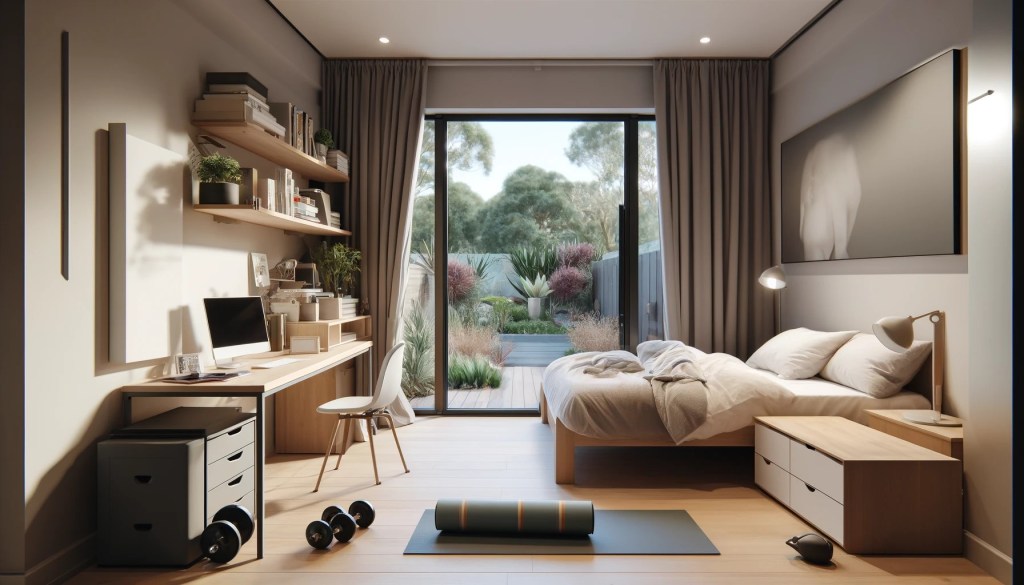
In an ever-evolving world, the concept of a home that can adapt and grow with its occupants is more relevant than ever. Designing a flexible home means creating spaces that can seamlessly transform to meet the changing needs of homeowners. Whether accommodating a growing family, transitioning to remote work, or planning for aging in place, a flexible home design ensures longevity, functionality, and comfort. Here are key strategies to help you build a home that evolves with you.
Open Floor Plans
1. Versatile Spaces:
Open floor plans offer the ultimate flexibility by providing large, unobstructed areas that can be easily reconfigured. This design allows for multifunctional use of space, whether it’s combining living, dining, and kitchen areas or creating adaptable zones for work, play, and relaxation.
2. Movable Partitions:
Incorporate movable or retractable partitions to create temporary rooms or divide spaces as needed. This approach allows for privacy when required while maintaining the openness of the floor plan.
Multi-Functional Rooms
1. Dual-Purpose Furniture:
Invest in furniture that serves multiple purposes, such as sofa beds, fold-out desks, and extendable dining tables. This type of furniture can transform a room’s function without permanent alterations. Gone are the days where a bedroom needs to be permanently set aside for guest use only.
2. Home Offices and Study Nooks:
With the rise of remote work, designing spaces that can function as home offices or study areas is crucial. Consider creating built-in desks and shelving in underutilised areas like hallways or alcoves. If you’re lucky enough to have a spare bedroom this could serve as a study more often than a bedroom. For most people, there’s no need to set aside a whole, dedicated room for an office if it is not for full-time use.
3. Laundries:
Non-habitable rooms, like laundries and bathrooms that you spend little time in, can be combined to halve the amount of circulation space required. Bathrooms are a great location for laundries because dirty clothes can be immediately placed in washing baskets, ready for the next load with little effort.
4. Gyms:
Exercise is another activity that takes up a very small portion of the day. Hiding a yoga mat under the couch or weights in a spare wardrobe means the living room or spare bedroom can double as a home gym.
5. Guest rooms:
Consider the amount of time guests actually stay. If extended family stay for months at a time it may be worth having a dedicated spare bedroom but for most people with the occasional visitor staying 1-2 nights a spare bed can be set up with another function.
Expandable Spaces
Room for Growth:
Design your home with the potential for future expansion. This could include planning for an additional room or extending existing spaces. Ensure the structural elements of your home can support such modifications.
Sustainable and Health-Focused Design
1. Non-Toxic Materials:
Use low-VOC and non-toxic materials in your home to ensure a healthy indoor environment. This is particularly important for families with children or individuals with allergies.
2. Energy Efficiency:
Incorporate energy-efficient systems and appliances to reduce your carbon footprint and utility bills. Consider solar panels, energy-efficient windows, and high-performance insulation.
Aging in Place
1. Universal Design Principles:
Implement universal design principles that cater to people of all ages and abilities. Features like wide doorways, zero-step entries, and lever handles make the home accessible and safe for everyone. These are slowly becoming requirements of the National Construction Code.
2. Main-Level Living:
Plan for main-level living by including a bedroom and full bathroom on the ground floor. This layout is ideal for aging in place, ensuring that homeowners can comfortably stay in their homes as they age.
Conclusion
Designing a flexible home that grows with you is about creating spaces that are versatile, sustainable, and health-focused. By incorporating open floor plans, multi-functional rooms, expandable spaces, and universal design principles, you can build a home that adapts to your evolving needs and supports your lifestyle.
For personalised advice and innovative design solutions, contact Architecture with Angie. Our expertise in building biology and sustainable architecture will help you create a home that is both beautiful and adaptable, ensuring it grows with you over the years.
Plan for the future—design a home that evolves with you. Reach out to us today!
 Architecture with Angie