
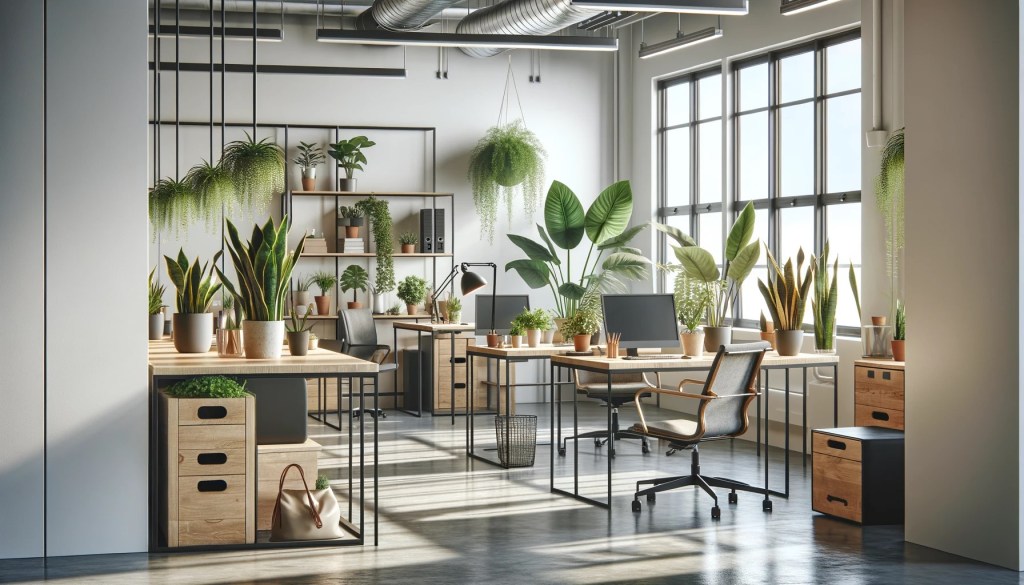
In the field of building biology, creating a healthy and harmonious living environment is paramount. One of the most effective ways to enhance both air quality and mental well-being in your home is by incorporating indoor plants into your design. Not only do these green companions purify the air, but they also have a profound impact on our mood and overall health. This blog explores the numerous benefits of indoor plants and provides practical tips for integrating them into your home design, along with some considerations for specific situations.
The Science Behind Indoor Plants and Air Purification
Indoor air quality is a critical component of building biology, as poor air quality can lead to various health issues, including respiratory problems, allergies, and headaches. Indoor plants play a significant role in improving air quality by acting as natural air purifiers. They absorb pollutants through their leaves and roots, converting them into nutrients or harmless by-products.
1. Removal of VOCs:
Volatile Organic Compounds (VOCs) are harmful chemicals commonly found in household products such as paints, cleaning supplies, and furniture. Plants like the Peace Lily (Spathiphyllum), Snake Plant (Sansevieria trifasciata), and Spider Plant (Chlorophytum comosum) are particularly effective at removing VOCs like formaldehyde, benzene, and trichloroethylene from the air.
2. Oxygen Production:
Plants naturally absorb carbon dioxide and release oxygen through the process of photosynthesis. This not only improves air quality but also helps maintain optimal oxygen levels in your home, contributing to a healthier and more invigorating environment.
3. Humidity Regulation:
Through a process called transpiration, plants release moisture into the air. This can help maintain indoor humidity levels, preventing dryness that can cause respiratory issues and skin irritation. However, it’s important to note that in certain situations, such as in bedrooms, an increase in humidity could potentially harbor fungi and dust mites, which could negatively affect health.
Enhancing Mental Well-Being with Indoor Plants
Beyond their air-purifying capabilities, indoor plants have been shown to significantly improve mental well-being. Incorporating plants into your home design can reduce stress, enhance mood, and increase overall happiness.
1. Stress Reduction:
Studies have demonstrated that interacting with plants can lower stress levels and promote relaxation. The presence of greenery in your home creates a calming atmosphere, helping to reduce anxiety and tension.
2. Improved Concentration and Productivity:
Indoor plants can enhance cognitive function, improving concentration, memory, and productivity. This makes them an excellent addition to home offices and study areas.
3. Boosted Mood and Creativity:
Exposure to nature and green spaces has been linked to improved mood and creativity. Incorporating plants into your home design can foster a more positive and inspiring environment.
Tips for Incorporating Indoor Plants into Your Home Design
To fully reap the benefits of indoor plants, it’s essential to integrate them thoughtfully into your home design. Here are some practical tips to get you started:
1. Choose the Right Plants:
Select plants that are well-suited to your home’s environment and your level of care. For low-maintenance options, consider plants like the ZZ Plant (Zamioculcas zamiifolia), Pothos (Epipremnum aureum), and Snake Plant (Sansevieria trifasciata).
2. Optimise Placement:
Place plants in areas where they can thrive and where their benefits will be most felt. For example, position air-purifying plants in living areas and offices, and place stress-reducing plants in workspaces and study areas. Be mindful about placing plants in bedrooms; while they can improve air quality during the day, they can increase humidity levels overnight, potentially harbouring fungi and dust mites. Likewise, many plants (including those mentioned here) are toxic to humans and animals and need to be out of reach of children and pets.
3. Use Stylish Planters:
Incorporate planters that complement your home’s aesthetic. From sleek, modern pots to rustic, natural containers, the right planters can enhance your décor while providing a healthy environment for your plants. Similarly, the breathability of the planter is important.
4. Create Green Zones:
Designate specific areas in your home for clusters of plants. This can create a lush, green focal point that enhances the visual appeal of your space while maximising the air-purifying and mood-boosting benefits.
5. Maintain Your Plants:
Regularly water, prune, and feed your plants to keep them healthy and thriving. Pay attention to their specific needs, such as light requirements and soil conditions.
Conclusion
Incorporating indoor plants into your home design is a simple yet powerful way to enhance air quality and boost mental well-being. By selecting the right plants and thoughtfully integrating them into your living spaces, you can create a healthier more harmonious environment that supports both physical and emotional health. However, it’s crucial to consider the specific needs and potential drawbacks of plants in certain areas, like bedrooms, to ensure they contribute positively to your home environment.
 Architecture with Angie