
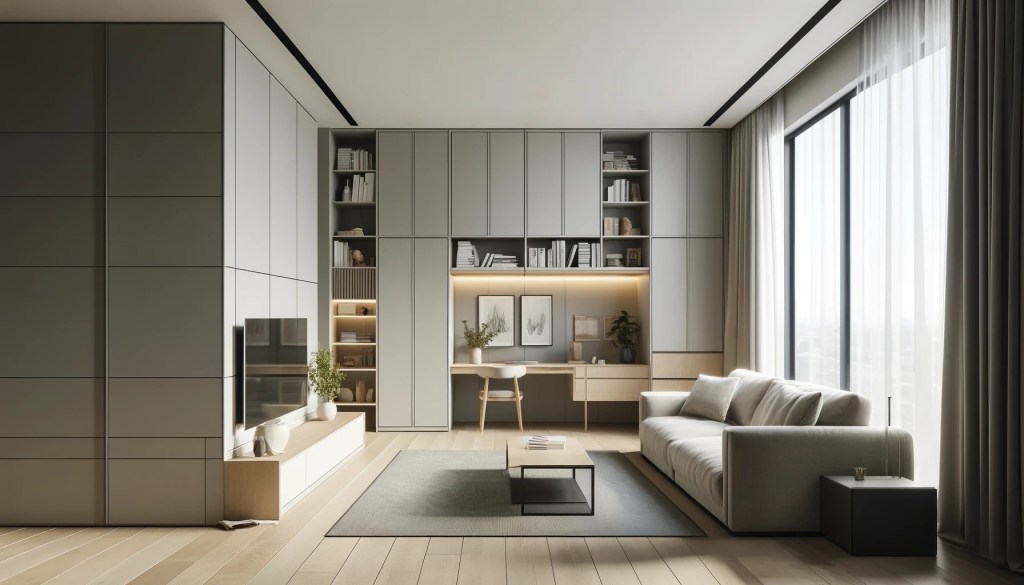
Urban living often means making the most out of limited space. Designing a compact home that promotes a healthy and efficient lifestyle requires thoughtful planning and innovative solutions. By incorporating principles of building biology, energy efficiency, sustainability you can create a living environment that is both functional and nurturing. Here are some design tips to help maximise small spaces while maintaining a focus on health and sustainability.
Space-Saving Design Ideas
1. Multi-Functional Furniture:
Investing in furniture that serves multiple purposes is key to maximising small spaces. Consider options like sofa beds, fold-out desks, and extendable dining tables. These pieces allow you to easily adapt your living space to different needs without sacrificing comfort or style.
2. Vertical Storage:
Utilise vertical space to free up floor area. Install shelves, cabinets, and hanging storage solutions that reach up to the ceiling. This not only helps keep your home organised but also makes the most of every millimetre of available space.
3. Built-In Solutions:
Custom-built furniture and storage solutions can be tailored to fit your specific space requirements. Built-in wardrobes, bookcases, and seating can seamlessly integrate with the architecture of your home, providing efficient storage without taking up extra room.
4. Light and Mirrors:
Use light colors and mirrors to create the illusion of more space. Light-colored walls and furnishings reflect light, making rooms feel larger and more open. Strategically placed mirrors can enhance this effect, adding depth and brightness to your home.
Health and Well-Being
1. Indoor Air Quality:
Good indoor air quality is crucial for health, especially in compact living spaces. Use low-VOC paints and finishes and incorporate houseplants known for their air-purifying properties, such as spider plants and peace lilies. Ensure proper ventilation to reduce indoor pollutants and maintain a healthy environment.
2. Natural Light:
Maximise natural light to improve mood and productivity. Large windows, skylights, and open-plan layouts can help flood your home with daylight. If privacy is a concern, consider sheer curtains or frosted glass that allow light in while maintaining privacy.
3. Noise Reduction:
Urban environments can be noisy, which can impact your health and well-being. Incorporate soundproofing materials such as acoustic panels, rugs, acoustic glazing, additional insulation and heavy curtains to reduce nuisance noise pollution and create a tranquil living space.
Energy Efficiency and Sustainability
1. Energy-Efficient Appliances:
Choose energy-efficient appliances to reduce your energy consumption and lower utility bills. Look for products with high Energy Star ratings, which indicate superior energy performance.
2. Sustainable Materials:
Smaller spaces require fewer resources to construct. Use sustainable materials in your home design to minimise environmental impact. Opt for bamboo or reclaimed wood for flooring and furniture, and choose textiles made from organic fibres. These materials are not only eco-friendly but also contribute to a healthier indoor environment.
3. Water Conservation:
Where appropriate, implement water-saving fixtures such as flow restricted taps, showerheads, and dual-flush toilets. These can significantly reduce water usage without compromising performance, helping to conserve this precious resource.
Innovative Solutions for Compact Living
1. Modular Furniture:
Modular furniture can be reconfigured to suit different needs and spaces. This flexibility is ideal for small homes, allowing you to adapt your living area as required.
2. Sliding Doors:
Replace traditional swinging doors with full-height sliding doors to save space and create a more open feel. Sliding doors can be used for rooms, closets, and even as room dividers.
3. Under-Stair Storage:
Utilise the space under stairs for storage or functional areas such as a laundry, compact home office or reading nook. Custom-built solutions can make this often-overlooked space highly functional.
4. Multi-purpose spaces:
Last but not least, every space should be used every day and have at least two functions.
Conclusion
Maximising small spaces in urban environments requires a balance of functionality, health, and sustainability. By incorporating space-saving design ideas, prioritising indoor air quality and natural light, and choosing energy-efficient and sustainable materials, you can create a compact home that supports a healthy and efficient lifestyle.
For personalised advice and innovative design solutions tailored to your urban living space, contact Architecture with Angie.
Transform your small space into a healthy, sustainable haven—reach out to us today!
 Architecture with Angie