
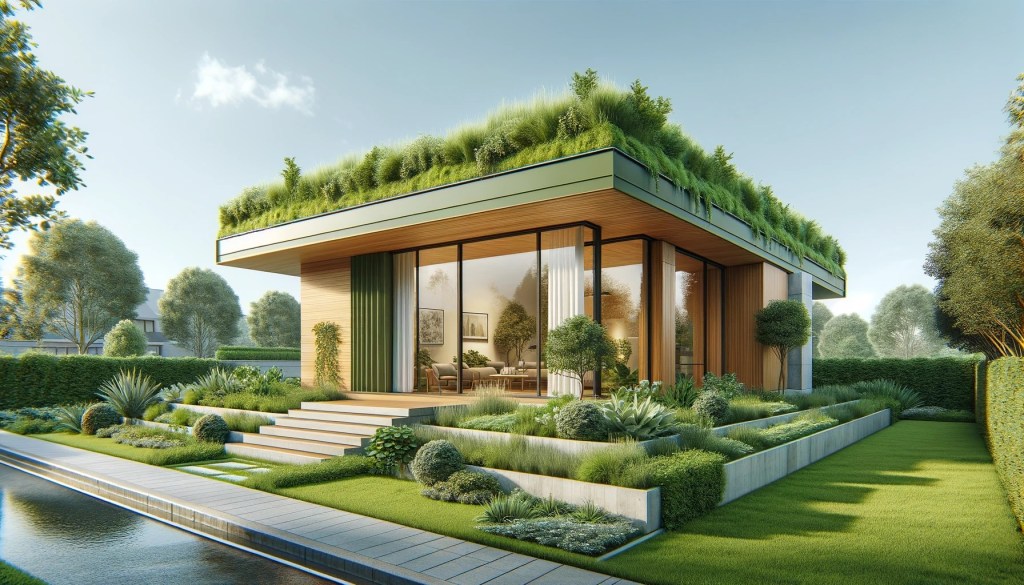
Green roofs have gained popularity for their environmental benefits, aesthetic appeal, and potential health advantages. However, like any innovative solution, they come with their own set of challenges. This blog explores the disadvantages of green roofs on houses, particularly concerning insulation, air quality, waterproofing, vapor permeability, condensation, and the psychological effects of having a heavy structure overhead.
Understanding Green Roofs
Green roofs involve the installation of vegetation over a waterproof membrane on a building’s roof. They can provide several benefits, such as reducing urban heat islands, improving stormwater management, and enhancing biodiversity. However, it’s essential to consider the potential downsides before deciding if a green roof is right for your home.
Insulation and Structural Concerns
1. Insulation Challenges:
While green roofs can provide additional insulation, they can also complicate traditional insulation methods. The soil and plant layers can impact the thermal dynamics of the roof, potentially leading to uneven heating and cooling if not properly designed. This can result in increased energy consumption for temperature regulation.
2. Structural Load:
Green roofs are heavy, especially when saturated with water. This additional weight requires a robust structural framework, which can be costly and complex to implement. Homeowners must ensure their building can support this extra load, necessitating professional, specialist assessment and design.
Waterproofing
1. Waterproofing and Leakage Risks:
Ensuring a green roof is adequately waterproofed is critical. Any failure in the waterproof membrane can lead to significant water damage to the structure below. This necessitates high-quality materials and professional installation, increasing the initial setup costs.
In Victoria, Australia, a builder’s warranty for a new house generally extends up to 10 years, covering major structural defects. Known as the “structural warranty,” this coverage ensures peace of mind for a decade, after which, the responsibility for repairs typically shifts to the homeowner.
Waterproof membrane warranties, on the other hand, can vary significantly, ranging from 5 to 30 years. These warranties often apply only to the product itself, covering replacement but not any additional damage resulting from a failure. Due to the relatively short warranty periods and the potential for significant damage, it’s crucial to maintain and replace these membranes according to the manufacturer’s guidelines.
Vapor Permeability and Condensation
1. Vapor Permeability:
The layers involved in a green roof must be carefully designed to allow vapor to escape while preventing water ingress. Improper design can lead to vapor trapped within the roof structure and ceiling, causing issues like mold growth and material degradation.
2. Condensation Issues:
Condensation can be a significant problem if the green roof is not correctly ventilated. This can lead to moisture buildup within the roof layers, promoting mold growth and compromising the roof’s integrity over time. Effective design and installation are crucial to managing condensation.
Psychological Impacts
1. Perception of Weight:
The psychological impact of having a heavy structure overhead should not be underestimated. Some homeowners might feel uneasy knowing that a substantial weight is constantly above them, which can lead to stress and discomfort. This aspect is highly subjective and varies from person to person.
Conclusion
While green roofs offer numerous benefits, including improved insulation, air quality, and aesthetic value, they also come with significant challenges. These include the complexity of waterproofing, managing vapor permeability and condensation, and potential psychological impacts related to the structure’s weight.
For homeowners in Victoria considering a green roof, it’s essential to weigh these disadvantages against the benefits and consult with professionals specialising in green roof engineering, green roof landscape architecture, sustainable architecture and building biology.
Make informed decisions for a healthier, more sustainable home—reach out to us today!
 Architecture with Angie