
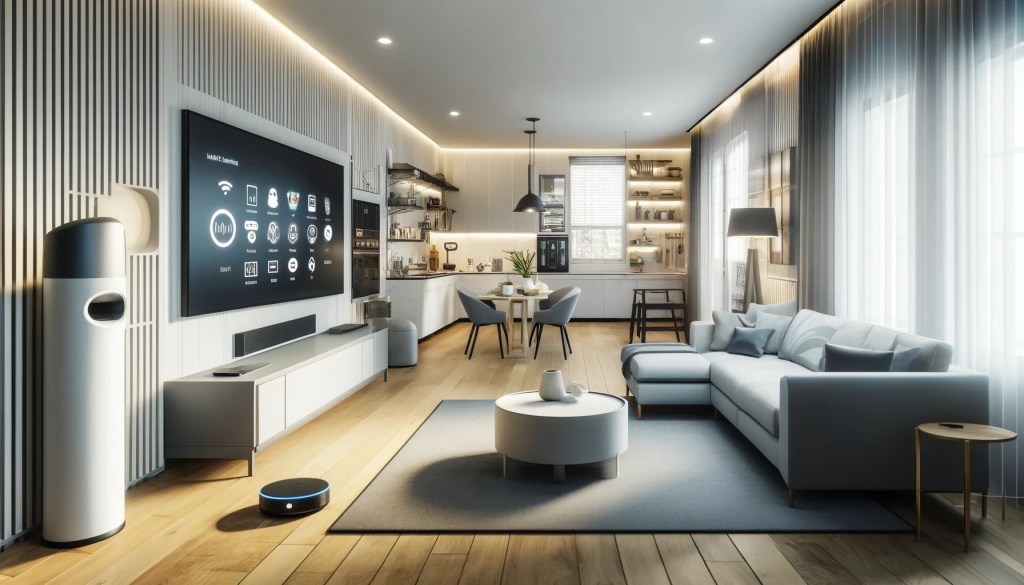
In today’s digital age, smart home technology is not just about convenience and luxury. It’s also about creating environments that support and enhance our health and wellbeing. This blog explores various home automation technologies that can improve indoor environmental quality and promote a healthier lifestyle. For health-conscious new homeowners, understanding how to leverage these technologies is key to building a home that truly nurtures and protects.
The Role of Smart Technology in Healthy Homes
Home automation technologies can monitor and control various aspects of the indoor environment, ensuring optimal conditions for health and comfort. Here’s how these technologies contribute to a healthier living space:
1. Air Quality Monitoring and Control:
Indoor air quality has a direct impact on respiratory health and overall wellbeing. Smart air quality monitors track pollutants like dust, pollen, volatile organic compounds (VOCs), and carbon dioxide. When poor air quality is detected, these systems can trigger air purifiers, ventilation systems, or HVAC adjustments to improve air quality.
Products to Consider:
- Awair Element: This device monitors temperature, humidity, CO2, VOCs, and dust levels, providing actionable insights to improve air quality.
- Philips Air Purifier Series 3000i: Automatically adjusts its settings based on real-time air quality readings.
2. Smart Lighting Systems:
Lighting affects mood, energy levels, and sleep patterns. Smart lighting systems can simulate natural daylight cycles, helping to regulate circadian rhythms. They can also adjust brightness and colour temperature based on the time of day and user preferences.
Products to Consider:
- Philips Hue: These smart bulbs can be programmed to mimic natural light patterns, enhancing sleep and productivity.
- LIFX: Offers a wide range of customisable lighting options that can be controlled via a smartphone app.
3. Temperature and Humidity Control:
Maintaining optimal indoor temperature and humidity levels is crucial for comfort and health. Smart thermostats and humidifiers can automatically adjust settings based on real-time data and user habits.
Products to Consider:
- Nest Learning Thermostat: Learns your schedule and preferences to maintain optimal indoor temperatures efficiently.
- Honeywell Home Humidifier: Works with smart home systems to maintain ideal humidity levels, preventing issues like dry skin and respiratory problems.
4. Water Quality Monitoring:
Access to clean water is fundamental for health. Smart water quality monitors and filtration systems ensure that the water you use is free from contaminants and safe for consumption.
Products to Consider:
- WaterGuru Sense: Monitors water quality in real-time and provides insights via a smartphone app.
- Aquasana OptimH2O: A smart reverse osmosis system that monitors and purifies water, removing a wide range of contaminants.
Integrating Smart Technology in Home Design
1. Holistic Planning:
Integrating smart home technologies requires careful planning. Consider consulting with a professional who specialises in smart home integration and building biology to ensure that your home is both high-tech and healthy.
2. User Education:
Educate all household members on the benefits and functionalities of the smart technologies installed. Proper usage is key to maximising health benefits.
3. Regular Maintenance:
Keep smart devices and systems well-maintained to ensure they function correctly and continue to provide health benefits. This includes updating software and replacing filters or components as needed.
Implications of Wi-Fi Reliance
While these smart technologies offer significant benefits for enhancing home health and comfort, their reliance on Wi-Fi can have certain implications:
- Electromagnetic Fields (EMFs): Wi-Fi itself generates EMFs, which some individuals might be sensitive to. While the levels are generally low, it’s important to consider the placement and usage of Wi-Fi-enabled devices to minimise unnecessary exposure.
- Dependence on Internet Connectivity: The functionality of these devices can be affected by internet outages or weak Wi-Fi signals. Ensuring a strong and reliable Wi-Fi network is crucial for seamless operation.
- Privacy and Security: Smart devices connected to Wi-Fi are part of the Internet of Things (IoT), which can be vulnerable to hacking if not properly secured. Implementing strong passwords and regularly updating software can help mitigate these risks.
Hardwired or tethered options can reduce these risks.
Conclusion
Smart home technologies offer powerful tools to enhance indoor environmental quality and promote the health and wellbeing of occupants. From air quality monitors to smart lighting systems, these innovations enable homeowners to create spaces that are not only convenient and energy-efficient but also nurturing and protective.
While many of the smart home technologies discussed rely on Wi-Fi for their enhanced functionalities, they also offer substantial benefits in improving indoor environmental quality and promoting health and wellbeing. Balancing the convenience and health benefits with mindful placement and secure use of Wi-Fi can help create an optimal smart home environment.
 Architecture with Angie