
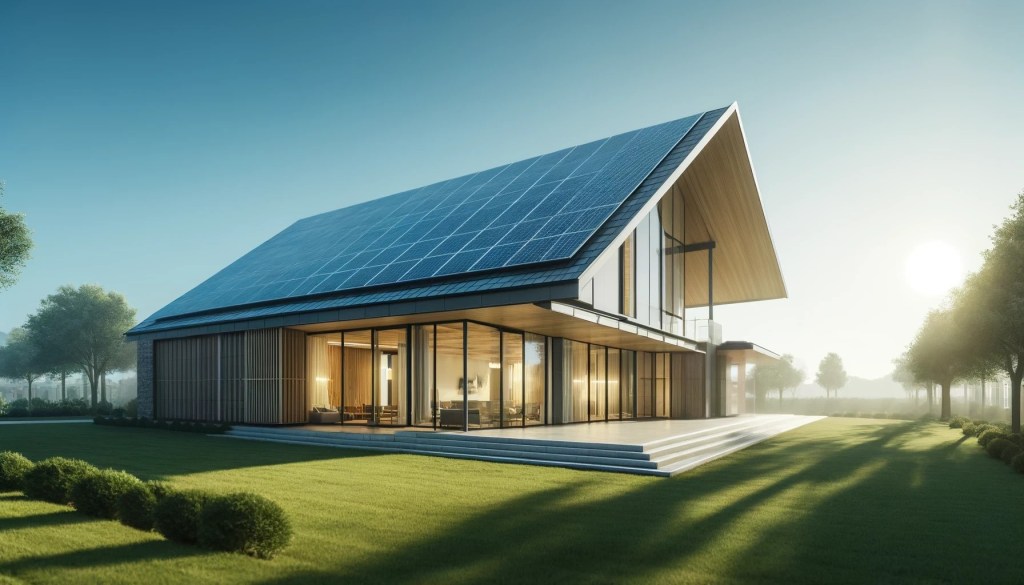
Embracing a sustainable lifestyle is increasingly important in today’s environmental landscape. For homeowners, integrating renewable energy solutions such as solar panels is a compelling way to enhance energy efficiency and contribute to a healthier planet. However, while the benefits are significant, it’s also crucial to consider some of the challenges associated with solar energy. This balanced approach ensures that homeowners are fully informed and can make decisions that align with both their environmental goals and personal health concerns.
Benefits of Solar Energy in Home Design
Solar energy is at the forefront of renewable energy solutions, offering several key advantages:
1. Reduced Carbon Footprint:
Utilising solar panels decreases reliance on fossil fuels, significantly reducing greenhouse gas emissions and enhancing air quality.
2. Energy Savings:
Solar power can substantially reduce electricity bills, and with the right setup, homes can even achieve net-zero energy consumption in some locations.
3. Increased Property Value:
Homes with solar energy systems often enjoy higher market values, as demand for eco-friendly features grows among homebuyers.
Planning for Solar Integration
1. Optimal Roof Design:
The effectiveness of solar panels largely depends on their placement. Roofs should ideally have a suitable orientation and pitch to maximise sunlight exposure, which varies based on geographic location.
2. Assessing Energy Needs:
A detailed evaluation of your household’s energy usage will help determine the appropriate size and configuration of your solar system to meet daily and seasonal demands efficiently.
3. Battery Storage:
Battery systems allow for the storage of surplus energy generated during peak sunlight hours, providing power during nighttime or overcast conditions and enhancing overall energy independence.
Considering the Challenges
While solar power is a promising renewable energy source, several challenges need consideration:
1. Electromagnetic Fields (EMFs):
Solar power systems, like all electrical systems, generate EMFs. While the levels are typically low, sensitive individuals might have concerns about long-term exposure. It’s important to plan the layout of solar components to minimise EMF exposure within living spaces and near bedrooms.
2. Material Sourcing and Environmental Impact:
The production of solar panels involves materials like silicon, metals, and rare earth elements, which must be mined and processed. These processes are energy-intensive and can have environmental impacts, highlighting the importance of responsible sourcing and choosing manufacturers who prioritise sustainability.
3. Recyclability and Waste Management:
At the end of their life, solar panels pose a waste management challenge. While they are largely recyclable, the recycling processes are not yet widespread, and there are concerns about the accumulation of solar waste. Ongoing developments in recycling technologies are crucial to mitigating this issue.
Other Renewable Energy Solutions
Beyond solar panels, consider other technologies to reduce your environmental footprint:
1. Wind Turbines:
In windy locales, small-scale wind turbines can complement solar systems by providing additional renewable energy. Certain local governments restrict or prohibit wind terbines so it’s important to check planning schemes.
2. Geothermal Systems:
These systems use underground temperatures to efficiently heat and cool homes, reducing reliance on traditional HVAC systems and lowering energy use.
3. Solar Water Heating:
This distinct technology uses solar energy to heat water, providing an efficient alternative to electric or gas water heaters.
Conclusion
Integrating solar panels and other renewable energy technologies into your home design is a powerful step toward sustainability. By understanding both the advantages and the challenges, homeowners can make informed decisions that align with their values and lifestyle needs.
If you’re considering renewable energy solutions and seeking expertise in sustainable home design, contact Architecture with Angie. We are dedicated to helping you navigate the complexities of sustainable architecture to create a home that is both energy-efficient and environmentally responsible.
Transform your living space with thoughtful, sustainable solutions—reach out to us today!
 Architecture with Angie