
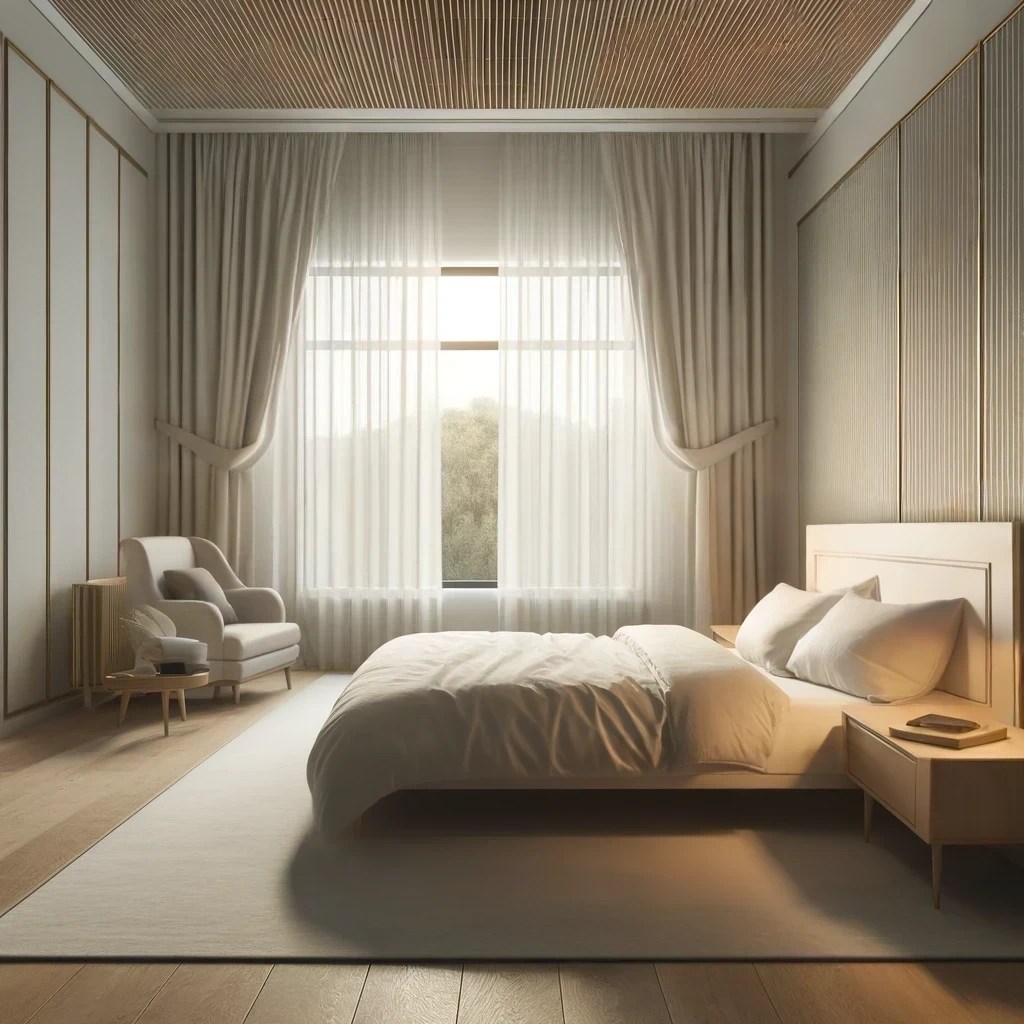
In the dynamic field of building biology, creating a healthy, serene living environment is as crucial as the physical structure of the home itself. For new homeowners and renovators focusing on soundproofing and acoustics can significantly enhance the tranquillity and overall wellbeing within homes. This blog post explores effective design elements and materials that not only minimise noise pollution but are also long-lasting and non-toxic, aligning with the core principles of building biology.
The Importance of Soundproofing in Building Biology
Building biology studies the impact of the built environment on human health, and noise is a significant factor. Excessive noise can lead to stress, disturbed sleep, and even cardiovascular diseases, according to the World Health Organisation (2010). Incorporating soundproofing measures in home design is, therefore, not just about comfort but about creating a conducive environment for physical and mental health.
Choosing the Right Materials
The choice of materials is pivotal in achieving effective soundproofing while minimising the potential for indoor air quality to be compromised by toxic substances.
1. Acoustic Panels and Tiles
- Acoustic panels and tiles made from natural fibres such as wool, natural felt or specialised acoustic foam (which adheres to strict non-toxic standards) can be used on walls and ceilings to absorb sound. Products like PET acoustic panels are made from recycled plastic bottles and offer excellent noise reduction capabilities. However, as with all recycled products, there is potential for contamination if material sourcing is not carefully monitored.
2. Double or Triple Glazing Windows
- Traditional, single glazing provides little resistance to sound transfer yet double glazing or triple glazing can be far more effective in reducing noise from outside. It adds an extra layer of glass to your windows, which not only helps with sound insulation but also improves thermal performance.
3. Insulation
- Insulation materials can be used in walls and floors to provide soundproofing. These materials are effective for noise reduction and are safe for indoor use without the risk of emitting harmful toxins.
- Thermal and accoustic resistance of insulation are not the same so it’s important to review these properties seperately.
- For more on thermal insulation: Eco-Friendly Insulation Options for a Warmer, Healthier Home
Soundproofing Techniques
1. Strategic Layout Planning
- When designing your home, consider the layout of rooms. Place bedrooms away from noise sources like streets and kitchen areas. Utilising the natural landscape, such as trees and bushes, can also help buffer external noises. Review flight paths prior to moving to a new area.
2. Incorporate Sound-Absorbing Decor
- Use thick carpets, curtains, and upholstered furniture, which can absorb sound and reduce echo within a room. Opt for natural fabrics to avoid the release of VOCs commonly found in synthetic materials. Fabrics and carpets are not often suitable for those with allergies.
3. Seal Gaps and Cracks
- Even small gaps around doors and windows can transmit sound. Use non-toxic sealants to close these gaps effectively and enhance overall soundproofing.
Conclusion
Incorporating soundproofing and acoustic enhancements into your home design not only creates a more peaceful and quiet environment but also supports your wellbeing by mitigating the stress associated with noise pollution. Utilising non-toxic materials ensures that these improvements align with the principles of building biology, fostering a healthier living space.
References
World Health Organisation (2010), Noise, World Health Organisation, accessed 25 April 2025.
If you are looking to build or renovate your home with soundproofing and acoustic considerations in mind, contact Architecture with Angie. We can consult specialist acoustic engineers to optimise room acoustics and control noise, together. We specialise in creating homes that nurture health and happiness through thoughtful, sustainable architecture.
Explore how we can transform your house into a serene sanctuary—reach out today!
 Architecture with Angie