
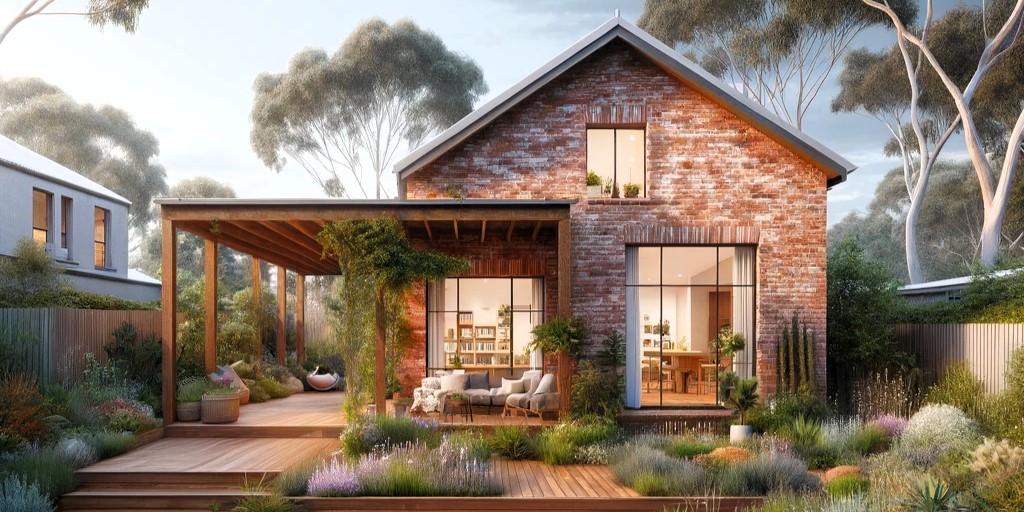
How architectural design can maximise natural light and positively affect homeowners’ health.
When considering the principles of building biology, one of the most transformative elements in architectural design is the strategic use of natural light. The design of a home that harmonises with natural light not only enhances its aesthetic appeal but also significantly impacts the health and well-being of its residents (WHO 2024). For health-conscious, new homeowners, understanding how natural light aligns with circadian rhythms is crucial to creating a living space that truly feels like a sanctuary.
Natural Light and Circadian Rhythm
Circadian rhythm, our body’s natural clock, is significantly influenced by exposure to natural light (Queensland Health 2023). This rhythm dictates our sleep patterns, hormone release, body temperature, and other important bodily functions (Queensland Health 2023). Research in the field of chronobiology—the study of biological rhythms—shows that natural light can help regulate these circadian rhythms, leading to improved sleep, better mood, and overall enhanced health (Queensland Health 2023).
Architectural Design and Light Optimisation
Architects leveraging the principles of building biology focus on maximising natural light in home design to support these natural rhythms. Strategic placement of windows, skylights, and the orientation of the home itself are all considered to optimise sunlight entry. The goal is to ensure that light permeates the home in a way that is both balanced and in tune with the seasonal and daily light cycles.
Health Benefits of Maximised Natural Light
The health benefits of increased natural light are diverse. Enhanced exposure to natural light has been linked to improved mood and energy levels by regulating the production of serotonin and melatonin (Queensland Health 2023). Furthermore, well-lit environments can reduce eyestrain and headaches, improving overall productivity and comfort (Jamrozik et al. 2019).
Sustainable and Healthy Home Environments
Integrating natural light not only promotes health but also enhances the energy efficiency of homes. Utilising sunlight reduces the need for artificial lighting, cutting down on energy consumption and contributing to a sustainable, eco-friendly home environment. This approach aligns seamlessly with the ethos of building biology, which advocates for sustainable, healthy living spaces.
Implementing Natural Light in Home Design
For those planning a new home or remodelling an existing structure, consider the following tips to maximise natural light:
- Orientation: Design the layout of your home with a northern orientation to maximise sunlight throughout the day.
- Window Placement: Place windows strategically to capture northern light, particularly in living, kitchen and dining areas.
- Reflective Surfaces: Use light-coloured and reflective interior finishes to enhance light diffusion throughout your home.
Artificial Lighting
Artificial lighting has evolved significantly with advances in technology, particularly with the development of LED lighting systems that can be programmed to mimic natural light patterns. Keep your eyes peeled for more in future posts.
Contact Architecture with Angie
Designing a home that perfectly balances natural light requires expertise in building biology and architectural design. Architecture with Angie creates homes that not only look beautiful but also promote a healthy, sustainable lifestyle. To learn more about integrating natural light into your home in a way that supports your circadian rhythms, contact us today. Incorporating natural light into your home design isn’t just a matter of aesthetics—it’s a critical component of a healthy lifestyle that supports your natural biological rhythms. Reach out to Architecture with Angie for a consultation on how you can harness the power of natural light in your next home project.
References
Jamrozik A, Clements N, Shabik Hasan S, Zhao J, Zhang R, Campanella C, Loftness V, Porter P, Ly S, Wang S, Bauer B 2019, Access to daylight and view in an office improves cognitive performance and satisfaction and reduces eyestrain: A controlled crossover study, Building and Environment, vol 165, accessed 13 April 2024
Queensland Health 2023, Let There be Light on your Mental Health, Queensland Government, accessed 13 April 2024
WHO (World Health Organisation 2024), Environment, Climate Change and Health, WHO, accessed 13 April 2024.
 Architecture with Angie