
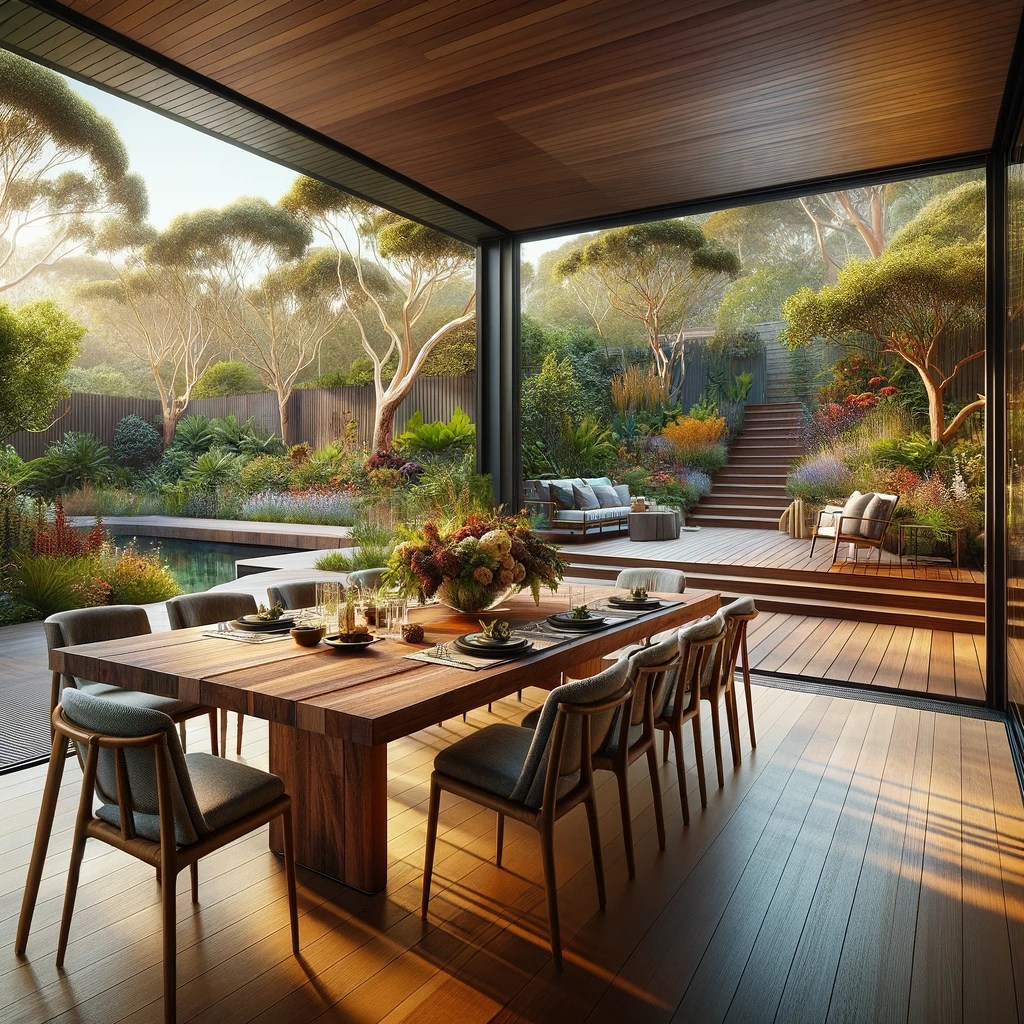
As architects, we often find ourselves immersed in the intricate dance between form and function, aesthetics and practicality. What if our role extended beyond creating visually stunning structures and delved into something deeper – the very essence of human health and well-being within the spaces we design? This is where the concept of Building Biology emerges, offering a holistic approach to architecture that considers the interplay between the built environment and its inhabitants’ health.
Understanding Building Biology
Building Biology, or Baubiologie as it is known in its German origins, is a discipline that explores the relationship between buildings and the health of their occupants. Stemming from concerns about the rise of modern building materials and technologies potential detriment to human health, Building Biology emphasizes creating environments that support well-being on multiple levels – physical, mental, and emotional.
The Principles of Building Biology
At its core, Building Biology operates on the principle of fostering harmony between humans and their surroundings. This involves 25 key principles, including:
- Natural Materials: Building with natural, non-toxic materials such as wood, clay, and stone helps to minimize off-gassing of harmful chemicals and creates a healthier indoor environment.
- Healthy Indoor Air Quality: Proper ventilation and filtration systems are essential for maintaining clean indoor air, reducing pollutants, and preventing the buildup of mold and mildew.
- Electromagnetic Radiation Mitigation: Minimising exposure to electromagnetic fields (EMFs) from electrical wiring, appliances, and wireless technology is a crucial aspect of Building Biology, as excessive EMF exposure has been linked to various health concerns.
- Biophilic Design: Incorporating elements of nature into architectural design, such as ample natural light, indoor plants and views of greenery, can enhance well-being and connection to the natural world.
- Sustainable Practices: Building Biology promotes environmentally sustainable practices, including energy efficiency, water conservation, and minimising waste throughout the construction process.
Benefits of Building Biology
Embracing the principles of Building Biology offers numerous benefits for both occupants and the environment:
- Improved Health and Well-being: By creating spaces that support physiological and psychological health, Building Biology contributes to a higher quality of life for building occupants, potentially reducing the risk of health issues such as respiratory problems, allergies, and stress-related disorders.
- Enhanced Comfort: Natural materials and thoughtful design elements contribute to a more comfortable indoor environment, with better temperature regulation, acoustics and lighting.
- Environmental Stewardship: By prioritising sustainable building practices and minimising environmental impact, Building Biology aligns with efforts to mitigate climate change and preserve natural resources for future generations.
- Long-Term Cost Savings: While initial construction costs for Building Biology-compliant buildings may be slightly higher due to the use of premium materials and technologies, the long-term benefits, including reduced energy consumption and maintenance costs, can result in significant savings over time.
The Future of Building Biology
As awareness of the connection between the built environment and human health continues to grow, the principles of Building Biology are becoming increasingly relevant in architectural practice. From residential homes to commercial buildings and urban developments, integrating Building Biology principles offers a path toward creating spaces that not only inspire awe but also nurture the well-being of those who inhabit them.
In conclusion, Building Biology represents a paradigm shift in architecture, challenging us as architects to consider not only the visual impact of our designs but also their profound implications for human health and the environment. By embracing the principles of Building Biology, we have the opportunity to create spaces that not only stand as testaments to our creativity and innovation but also serve as sanctuaries of health, harmony, and sustainability.
Architecture with Angie helps environmentally minded home owners design their healthy home in as little as 90 days by using building biology principles, without the fuss.* Contact us to arrange your free, 30 minute online introduction.
Subscribe
Enter your email below to receive updates.
 Architecture with Angie